
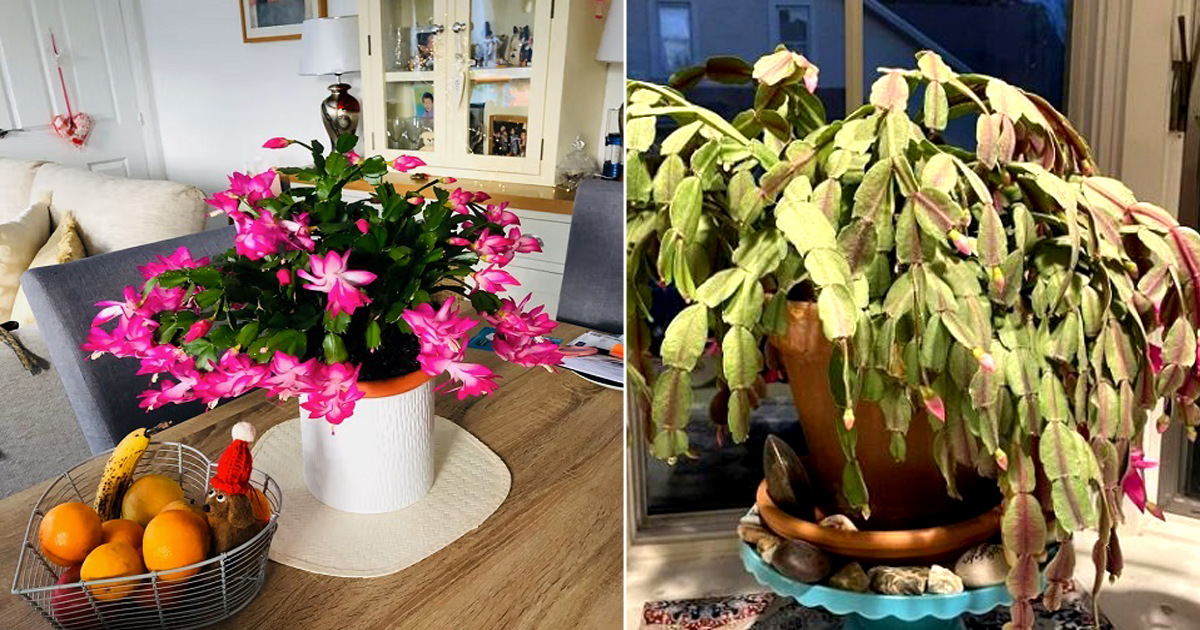
Here’s why you should never keep your Christmas cactus near ripening fruits and what to do if you’re seeing the effects!

Your Christmas cactus might seem happy sitting beside a bright bowl of fruit, but that setup could quietly harm your plant. What looks like a cozy holiday display can actually create the wrong environment for your Schlumbergera to bloom and stay healthy. Here’s why you should never keep your Christmas cactus near ripening fruits or fruit baskets!
Why You Should Never Keep Your Christmas Cactus Near Ripening Fruits
Ripening fruits let out a gas called ethylene that helps them turn soft and sweet. But for your Christmas cactus, this gas works like bad news. Even a little bit can make it drop buds, stop blooming, or look tired and weak. Here’s how!
1. Ethylene Gas Trouble

Ripening fruits naturally release ethylene to speed up their own maturation. But your Christmas cactus is extremely sensitive to this gas. Even small amounts can send it into stress mode.
That is because the gas interferes with the plant’s hormonal balance by disrupting the signals that tell buds to develop appropriately.
What to Do: Keep your Christmas cactus at least 8-10 feet away from any ripening fruit bowl. If you keep fruits around the countertop, use a ventilated kitchen counter far from your plant display. Of course, the best bet is keeping it in an entirely different room.
2. Confused Growth Signals

Plants “read the room” through chemical cues, and ethylene gives off all the wrong signals. While fruits use ethylene to trigger ripening, nearby plants like your Christmas cactus can misinterpret it as a cue for aging.
The result will be premature leaf yellowing, or slowed growth, just when your cactus should be gearing up for its big winter performance. This stress response can also disrupt your plant’s ability to recognize day and night cycles.
3. Early Aging and Bud Loss

As we just said, ethylene can trick your cactus into thinking its flowering phase is over. This gas promotes senescence (the aging process), which causes petals to wilt faster and buds to fall before they bloom.
You might notice that your otherwise healthy cactus suddenly looks tired or less vibrant for no apparent reason.
The stress caused by this chemical imbalance can even delay future flowering cycles. Once your plant gets the wrong hormonal cues, it may take weeks to reset.
What To Do: If your cactus has been near ripening fruit and starts showing signs of stress, you can move it to a cooler, bright area and increase humidity slightly. It will help counteract the dehydration and shock caused by ethylene exposure.
4. Attracts Fruit Flies and Mold

Here’s something less talked about! Ripening fruits often attract fruit flies and mold spores, and these can spell trouble for your cactus, too. Fruit flies lay eggs in moist organic matter, including the top layer of your plant’s soil, which can lead to fungus gnats and root problems.
Meanwhile, mold spores from overripe fruit can thrive in the humid microclimate around your cactus. This combo of pests and fungal growth can weaken your cactus’s root system and make it more susceptible to rot.
So, what looks like a pretty fruit arrangement can actually turn your cactus into a pest hotel. This is more probable in warm climates, but even in cold ones, it can happen. And of course, prevention is better than cure.
5. Messed-Up Bloom Timing

Christmas cacti are all about timing, and they need the right combination of cool temperatures, darkness, and rest to bloom on schedule. But ethylene gas can throw that timing completely off. Exposure can confuse your plant into ending its dormant period early or halting bud formation altogether.
Instead of getting those cheerful December blooms, you might find yourself staring at a non-bloomer in January. Ethylene messes with the photoperiodic signals your plant relies on to track the seasons, which is like an internal clock gone wrong.
Pro Tip: To keep its internal clock stable, stick to consistent light and temperature routines. If you move your cactus indoors for winter blooms, give it at least 12 hours of darkness every night away from fruit bowls during the prescribed months.
How to Identify this Problem
If your Christmas cactus has been sitting very close to ripening fruits regularly, watch for signs like buds dropping before they open, wilted flowers, or yellowing leaves. These are early clues that it’s been affected by ethylene gas.
Then comes the crucial part. You have to move the fruit bowl from there or shift the plant right away to a fresh spot with good airflow, away from the kitchen or fruit bowls.
Keep it out of long hours of direct sunlight and away from heaters, stoves, or cold drafts, as sudden heat or chills can add even more stress. Also, avoid watering too much during this time and keep the soil slightly moist, not soggy.
If you wish to recover it soon, lightly mist the leaves or run a humidifier around it. This adds gentle humidity and helps the plant reset after the stress.
Quick Fix: Some people even place an open box of baking soda or a few pieces of activated charcoal nearby to absorb leftover ethylene in the air. It’s a simple trick that can make a difference indoors.
With a bit of patience, your cactus will perk up and start forming new, healthy buds again. Just give your plant some breathing room away from fruits, and it will reward you with the festive flowers you have been waiting for.


