
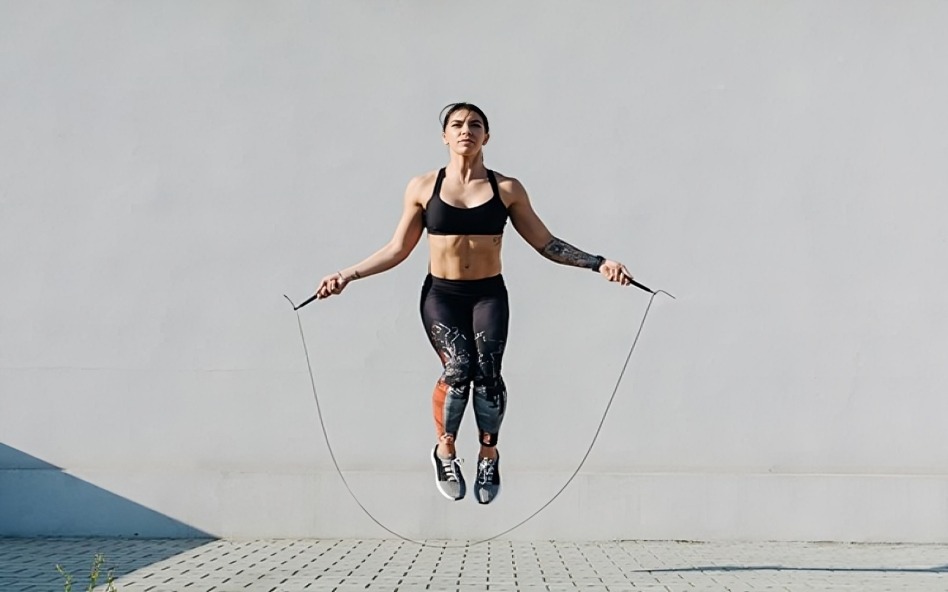

Chiều cao luôn là vấn đề được nhiều người quan tâm, đặc biệt trong giai đoạn trẻ em và tuổi dậy thì. Bên cạnh yếu tố di truyền, nhiều người tìm đến các bài tập thể thao với hy vọng hỗ trợ cơ thể phát triển tốt hơn. Trong đó, nhảy dây là một phương pháp đơn giản, dễ thực hiện và được nhiều người lựa chọn.
Vậy nhảy dây có cao không? Bài tập này thực sự tác động như thế nào đến xương, cơ bắp và hormone tăng trưởng? Hãy cùng tìm hiểu những thông tin khoa học và cách nhảy dây đúng để đạt hiệu quả tốt nhất.
Table of Contents
Nhảy Dây Có Cao Không?

Câu trả lời là nhảy dây có thể hỗ trợ tăng chiều cao, đặc biệt đối với trẻ em và thanh thiếu niên trong giai đoạn dậy thì. Tuy nhiên, nhảy dây không phải là yếu tố duy nhất quyết định chiều cao mà chỉ đóng vai trò hỗ trợ quá trình phát triển tự nhiên của cơ thể.
Khi nhảy dây, cơ thể liên tục thực hiện các động tác bật nhảy, kéo giãn cơ bắp và tạo áp lực tích cực lên hệ xương khớp. Những chuyển động này có thể kích thích sự phát triển của xương, cải thiện độ dẻo dai và hỗ trợ sản sinh hormone tăng trưởng (Growth Hormone).
Hormone tăng trưởng là một yếu tố quan trọng trong quá trình phát triển chiều cao. Loại hormone này được tuyến yên tiết ra nhiều hơn trong giai đoạn ngủ sâu và khi cơ thể vận động hợp lý.
Vì vậy, nếu kết hợp nhảy dây với chế độ ăn uống đầy đủ, ngủ đủ giấc và luyện tập khoa học, cơ thể có thể đạt được tiềm năng chiều cao tốt hơn.
Nhảy Dây Hỗ Trợ Tăng Chiều Cao Như Thế Nào?

Nhảy dây tác động đến chiều cao thông qua nhiều cơ chế khác nhau:
1. Kích thích hormone tăng trưởng
Các bài tập bật nhảy với cường độ vừa phải có thể kích thích cơ thể sản sinh hormone tăng trưởng. Đây là hormone đóng vai trò quan trọng trong việc phát triển xương, cơ bắp và các mô trong cơ thể.
Đặc biệt, trẻ em và thanh thiếu niên đang trong giai đoạn dậy thì thường có tốc độ phát triển mạnh, vì vậy việc duy trì hoạt động thể chất như nhảy dây có thể giúp tối ưu khả năng tăng trưởng.
2. Tăng khả năng kéo giãn cơ và xương
Trong quá trình nhảy dây, chân liên tục bật lên và tiếp đất, giúp các nhóm cơ ở chân, hông, lưng và cột sống được vận động thường xuyên.
Những chuyển động kéo giãn này giúp:
- Tăng sự linh hoạt của khớp.
- Cải thiện tư thế cơ thể.
- Hỗ trợ hệ xương phát triển khỏe mạnh.
- Giúp cơ thể cân đối hơn.
3. Cải thiện mật độ xương
Nhảy dây là một dạng bài tập chịu lực, nghĩa là xương phải chịu tác động từ trọng lượng cơ thể khi bật nhảy và tiếp đất.
Việc vận động thường xuyên giúp:
- Tăng sức mạnh của xương.
- Hỗ trợ quá trình hình thành mô xương.
- Giúp hệ vận động khỏe mạnh hơn.
Tuy nhiên, hiệu quả tăng chiều cao còn phụ thuộc vào độ tuổi, gen di truyền và nhiều yếu tố khác.
Những Yếu Tố Ảnh Hưởng Đến Chiều Cao
Để hiểu rõ hơn nhảy dây có cao không, cần biết rằng chiều cao của con người được quyết định bởi nhiều yếu tố khác nhau.
| Yếu tố | Mức độ ảnh hưởng |
|---|---|
| Di truyền | Khoảng 23% |
| Dinh dưỡng | Khoảng 30% |
| Vận động | Khoảng 20% |
| Giấc ngủ, môi trường sống và sức khỏe | Khoảng 25% |
1. Di truyền
Gen từ bố mẹ là yếu tố quan trọng ảnh hưởng đến chiều cao cuối cùng. Nếu gia đình có nhiều người sở hữu chiều cao tốt, khả năng phát triển chiều cao của con cái thường cao hơn.
Tuy nhiên, gen không quyết định hoàn toàn. Chế độ ăn uống, vận động và sinh hoạt khoa học vẫn có thể giúp cơ thể phát huy tối đa tiềm năng phát triển.
2. Dinh dưỡng
Dinh dưỡng đóng vai trò quan trọng trong việc xây dựng hệ xương.
Một chế độ ăn hỗ trợ tăng chiều cao nên bổ sung:
- Canxi giúp xương chắc khỏe.
- Protein hỗ trợ phát triển cơ bắp.
- Vitamin D giúp hấp thụ canxi tốt hơn.
- Kẽm, magie và các khoáng chất cần thiết.
Những thực phẩm tốt cho sự phát triển gồm sữa, trứng, cá, thịt, rau xanh, các loại hạt và trái cây.
3. Vận động thường xuyên
Các môn thể thao có động tác bật nhảy, kéo giãn cơ thể thường được khuyến khích trong giai đoạn phát triển như:
- Nhảy dây.
- Bơi lội.
- Bóng rổ.
- Cầu lông.
- Chạy bộ.
Trong đó, nhảy dây là bài tập dễ thực hiện tại nhà và phù hợp với nhiều độ tuổi.
5 Yếu Tố Quan Trọng Giúp Nhảy Dây Hiệu Quả Hơn
Không phải cứ nhảy dây nhiều là chiều cao sẽ tăng nhanh. Để đạt hiệu quả tốt hơn, bạn cần chú ý đến những yếu tố sau.
1. Kỹ Thuật Nhảy Dây Đúng Cách
Kỹ thuật là yếu tố quan trọng quyết định hiệu quả của bài tập.
Khi nhảy dây, bạn nên:
- Giữ lưng thẳng, mắt nhìn phía trước.
- Dùng cổ tay để xoay dây thay vì dùng toàn bộ cánh tay.
- Tiếp đất bằng mũi bàn chân.
- Nhảy nhẹ nhàng, tránh tạo áp lực quá lớn lên đầu gối.
- Giữ nhịp thở đều trong suốt quá trình tập.
Trước khi bắt đầu, nên khởi động kỹ các bộ phận như cổ chân, đầu gối, vai và cổ tay để hạn chế chấn thương.
Bạn cũng có thể thay đổi nhiều kiểu nhảy khác nhau như:
- Nhảy hai chân.
- Nhảy từng chân.
- Nhảy dây chạy bộ.
- Nhảy dây nâng cao đầu gối.
- Nhảy dây xoay người.
2. Thời Gian Và Cường Độ Tập Luyện
Thời gian tập luyện cũng ảnh hưởng đến việc nhảy dây có cao không.
Đối với người mới bắt đầu, có thể tập:
| Đối tượng | Thời gian phù hợp |
|---|---|
| Người mới tập | 5 – 10 phút/ngày |
| Người tập thường xuyên | 15 – 30 phút/ngày |
| Người có thể lực tốt | 30 – 45 phút/ngày |
Thời điểm thích hợp để nhảy dây là buổi sáng hoặc chiều tối trước giờ nghỉ quá lâu.
Không nên tập quá sức vì có thể gây đau khớp và ảnh hưởng đến quá trình phục hồi của cơ thể.
3. Chọn Dây Nhảy Phù Hợp
Một chiếc dây nhảy phù hợp giúp bạn tập luyện hiệu quả hơn.
| Loại dây | Đặc điểm |
|---|---|
| Dây vải | Giá rẻ, dễ sử dụng, phù hợp người mới |
| Dây nhựa | Nhẹ, bền, tốc độ xoay nhanh |
| Dây thép | Phù hợp người tập chuyên nghiệp |
Độ dài dây cũng rất quan trọng. Khi đứng giữa dây và kéo hai đầu lên, tay cầm nên nằm khoảng ngang ngực hoặc vai.
Dây quá dài hoặc quá ngắn đều khiến động tác không chính xác.
4. Chế Độ Ăn Uống Khoa Học
Nếu chỉ nhảy dây nhưng không cung cấp đủ dinh dưỡng, cơ thể sẽ khó phát triển tối ưu.
Bạn nên:
- Ăn đủ protein mỗi ngày.
- Bổ sung thực phẩm giàu canxi.
- Ăn nhiều rau xanh và trái cây.
- Uống đủ nước.
- Hạn chế đồ ăn nhanh và nước ngọt có ga.
Một chế độ ăn cân bằng sẽ giúp xương, cơ bắp và toàn bộ cơ thể phát triển tốt hơn.
5. Giấc Ngủ Và Tinh Thần
Giấc ngủ đóng vai trò rất quan trọng trong quá trình phát triển chiều cao.
Trong khi ngủ sâu, cơ thể sản sinh nhiều hormone tăng trưởng hơn. Vì vậy, trẻ em và thanh thiếu niên nên:
- Ngủ đủ 8 – 10 tiếng mỗi ngày.
- Hạn chế thức khuya.
- Giữ tinh thần thoải mái.
- Không tạo áp lực quá lớn về chiều cao.
Tâm lý tích cực giúp quá trình tập luyện duy trì lâu dài và hiệu quả hơn.
Nhảy Dây Bao Lâu Thì Có Thể Thấy Hiệu Quả?
Thời gian cải thiện chiều cao phụ thuộc vào nhiều yếu tố như tuổi tác, gen, dinh dưỡng và mức độ luyện tập.
Thông thường:
- Người đang trong giai đoạn dậy thì có khả năng cải thiện tốt hơn.
- Người trưởng thành sau khi xương đã đóng sụn tăng trưởng sẽ khó tăng chiều cao tự nhiên.
- Cần duy trì tập luyện trong nhiều tháng để thấy sự thay đổi về thể lực và vóc dáng.
Nhảy dây nên được xem là một phương pháp hỗ trợ phát triển cơ thể khỏe mạnh thay vì một cách tăng chiều cao nhanh chóng.
Xem thêm:- Những Người Chạy Nhanh Nhất Thế Giới: Top Kỷ Lục Gia Điền Kinh Vượt Qua Mọi Giới Hạn
Kết Luận
Vậy nhảy dây có cao không? Câu trả lời là có thể hỗ trợ tăng chiều cao, đặc biệt trong giai đoạn trẻ em và tuổi dậy thì. Bài tập này giúp kích thích hormone tăng trưởng, cải thiện sức mạnh xương khớp và tăng sự linh hoạt của cơ thể.
Tuy nhiên, chiều cao là kết quả của sự kết hợp giữa nhiều yếu tố như di truyền, dinh dưỡng, vận động và giấc ngủ. Vì vậy, để đạt hiệu quả tốt nhất, bạn nên duy trì nhảy dây đúng kỹ thuật, ăn uống khoa học và xây dựng lối sống lành mạnh mỗi ngày.


