
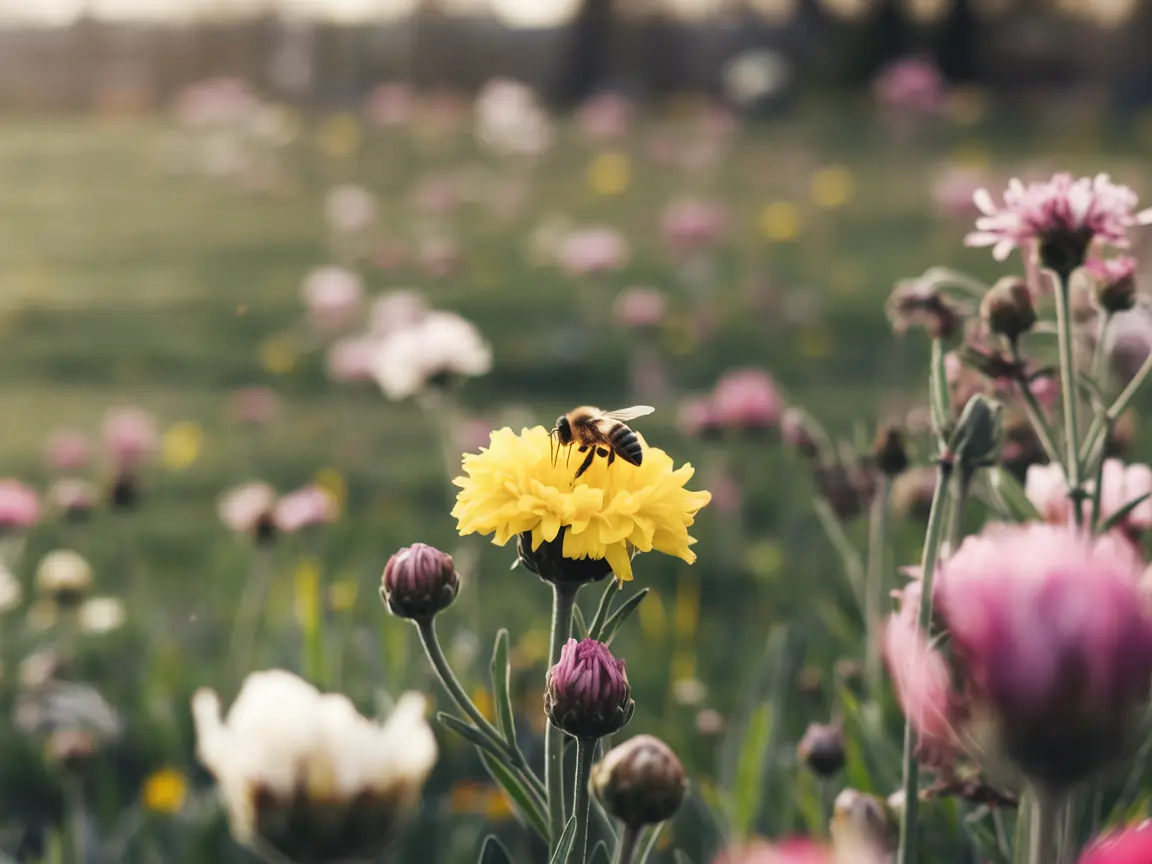
#9. Wild Violets: The Unsung Heroes of Spring Gardens
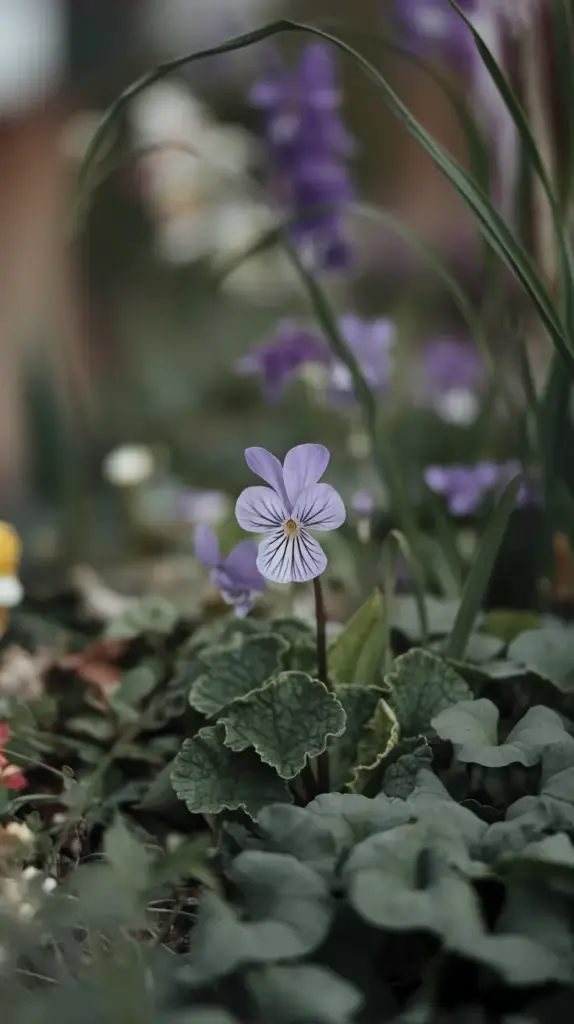
My Journey with Wild Violets
Let me tell you about my first encounter with wild violets – it wasn’t exactly love at first sight! I remember frantically googling “how to remove purple flowers from lawn” about fifteen years ago. Oh, how times have changed! Now, I absolutely treasure these resilient little beauties in my garden, and I’m excited to share why they’ve become my secret weapon for creating a bee-friendly paradise.
Key Benefits for Your Garden
Wild violets (Viola sororia) are nature’s gift to lazy gardeners like me. These hardy plants have taught me some valuable lessons about working with nature rather than against it. They’re incredibly low-maintenance and create a stunning purple carpet that transforms any garden space into a whimsical wonderland.
The best part? They’re absolute champions when it comes to:
- Supporting early spring pollinators
- Preventing soil erosion
- Creating natural ground cover
- Adding woodland charm to shaded areas
Growing and Care Tips
I learned this the hard way: wild violets thrive best in partially shaded areas with well-draining soil. They’re not too picky about soil pH, but they do appreciate a bit of organic matter mixed in. Here’s what’s worked best for me:
- Water regularly during the first growing season
- Mulch lightly to retain moisture
- Allow them to naturally spread (trust me, they will!)
- Avoid heavy fertilization – these natives prefer lean soil
Managing Their Spread
Now, let’s talk about the elephant in the room – these little guys can spread like wildfire. But don’t let that scare you! I’ve found that strategic placement is key. Plant them in areas where you want them to naturalize, like:
- Under deciduous trees
- Between stepping stones
- In woodland gardens
- Along shaded pathways
Benefits for Bees
The relationship between wild violets and bees is truly special. I’ve spent countless spring mornings watching various native bee species visiting these flowers. They’re particularly valuable because they provide:
- Early spring nectar
- Consistent blooming throughout the season
- Easy access for smaller bee species
- Multiple flowers per plant
Pro Tips from Experience
Here’s something most gardening books won’t tell you: wild violets make excellent indicators of soil moisture. When they’re happy and thriving, you know you’ve got that sweet spot of soil conditions that many other shade-loving plants will enjoy too.
Ready to discover another amazing spring flower that bees absolutely adore? Click the “next” button below to learn about Siberian Squill – a stunning blue beauty that will take your spring garden to the next level. Trust me, you won’t want to miss the incredible tips I’ve discovered about maximizing their impact in your garden!


