
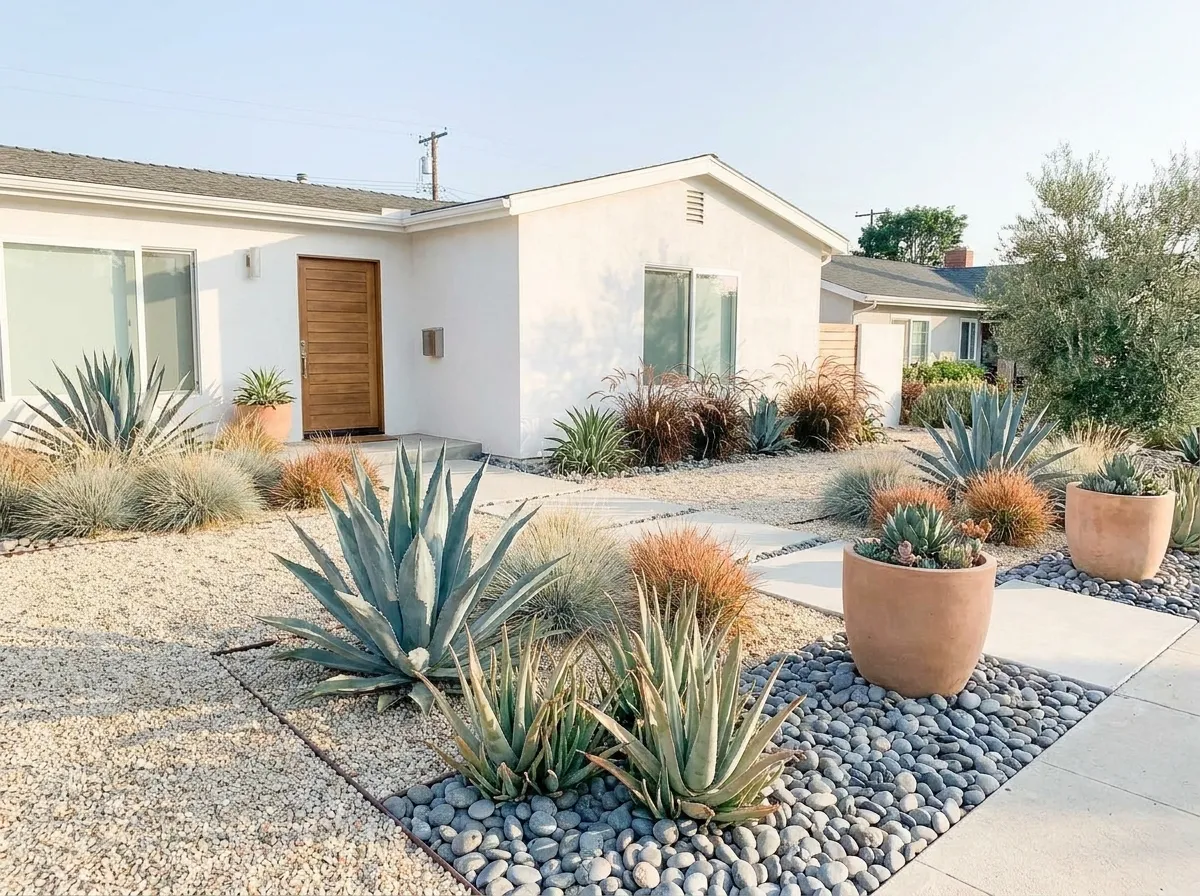
I still remember the day I finally finished dumping three tons of gorgeous river rock into my front yard. I wiped the sweat from my brow, poured a glass of iced tea, and completely fell for the ultimate lie of modern xeriscape design.
We’ve all been told that swapping out thirsty grass for decorative gravel means you can just set it and forget it. But honestly, that beautiful stone blanket might actually be smothering your low-maintenance paradise from the inside out.
It turns out that over 60% of unexpected drought tolerant plants failing in urban microclimates aren’t dying from intense heat or lack of water. The real culprit is a silent, invisible combination of severe soil compaction and hydrophobic conditions cooking right beneath your decorative stones.
When I first noticed my own prize agaves turning a weird, sickly yellow a few seasons back, I was completely baffled. I quickly realized that treating my yard like a hardscaped rock quarry was slowly baking the precious soil microbiology alive.
Don’t panic just yet, because we are going to roll up our sleeves and fix this together. Let’s lift up those rocks, uncover exactly what’s happening underneath your gravel landscaping, and rescue your curb appeal before the summer heat hits.
The Rock Mulch Trap: How Decorative Gravel Suffocates Your Soil
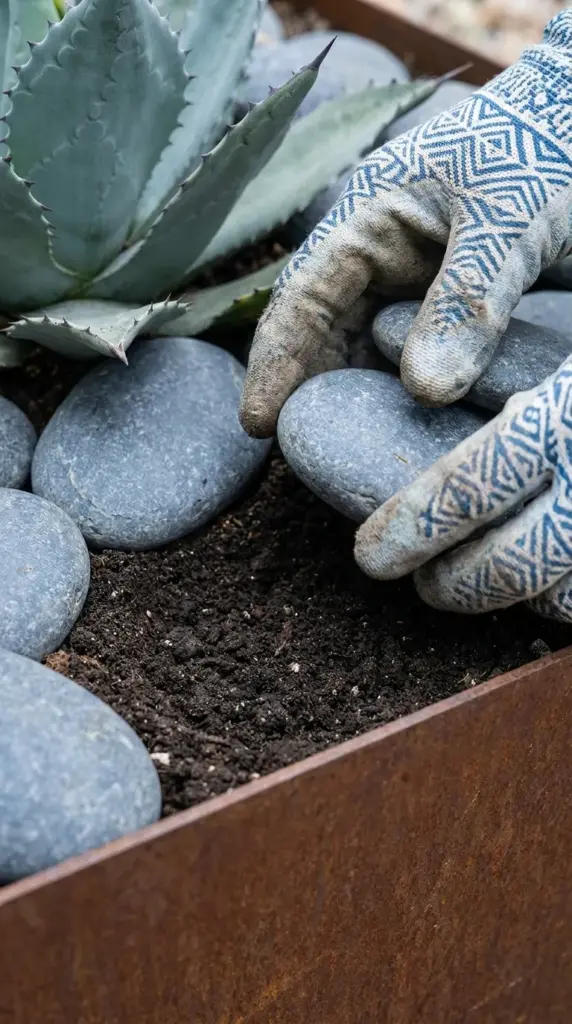
I honestly thought I was being an absolute genius when I lined my entire walkway with heavy river stones. I spent a whole weekend wheeling barrows of rock, dreaming of a maintenance-free paradise, but I accidentally created a subterranean trash fire instead.
The Crushing Weight of Stone
We rarely think about how heavy gravel landscaping actually is until it is sitting directly on delicate topsoil. Over a few seasons, the literal tons of decorative stones compress the earth, totally destroying the tiny air pockets that roots need to breathe.
This severe soil compaction cuts off vital oxygen flow, meaning your native plants end up slowly suffocating under a gorgeous, heavy blanket. If you notice water pooling on top of your rocks or your plants simply stopping their growth, your soil is likely packed tighter than a parking lot.
The Thermodynamic Oven Beneath Your Feet
Rocks are absolute heat magnets, and they do not just get hot on top where you can feel it. They trap intense daytime heat and radiate it downward all night long, creating a literal oven for your soil microbiology.
This constant baking fries surface-level roots and kills off beneficial mycorrhizal fungi that keep your plants fed and healthy. Look out for crispy leaf edges and sudden yellowing, which are the classic early warning signs that your yard’s ecosystem is cooking.
And honestly, this underground baking session leads directly into another absolute nightmare where your dirt literally fights off moisture, so smash that next button because we are diving straight into the weird science of water-repellent yards.


