
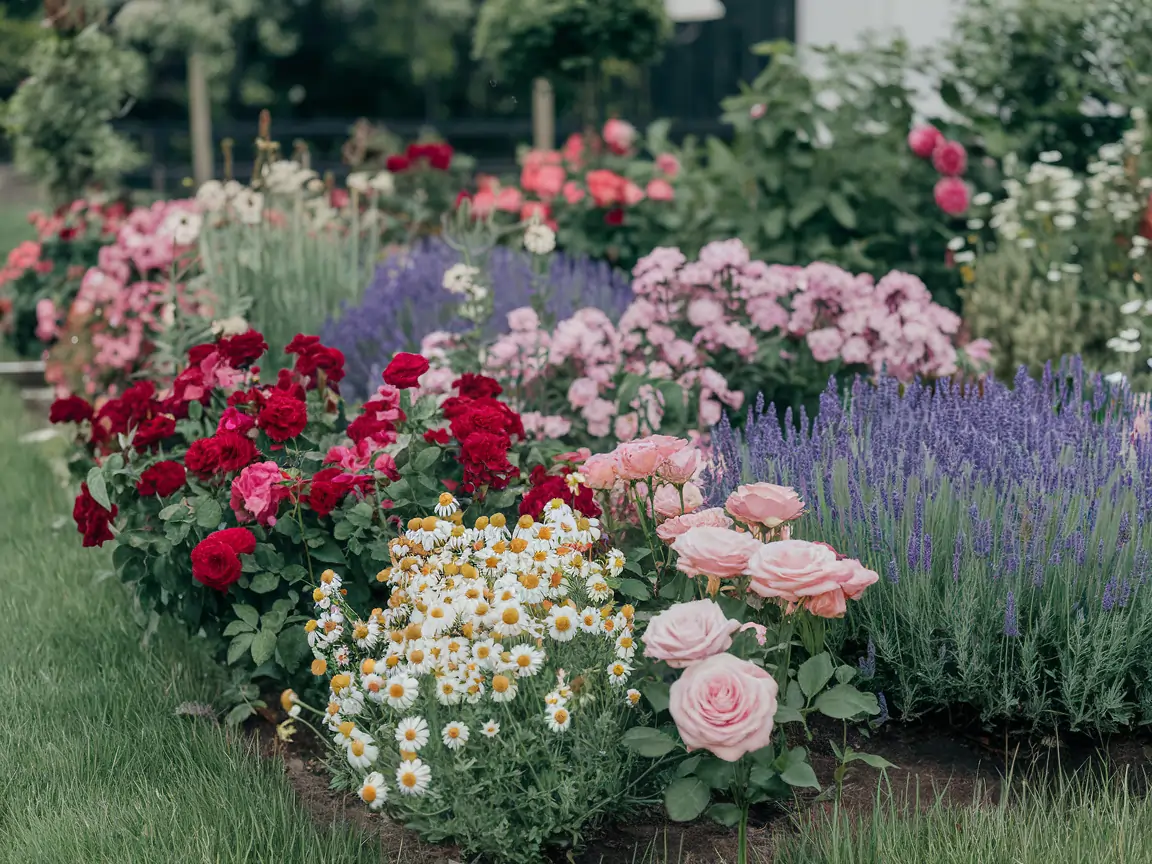
10. The Children’s Sensory Garden
Let me tell you about one of my favorite projects ever – creating a magical sensory garden that had my students absolutely buzzing with excitement! After 15 years of teaching elementary school science, I’ve learned that nothing beats hands-on learning in nature. But here’s the thing: designing a children’s sensory garden isn’t just about throwing some plants together and hoping for the best.
Choosing Child-Safe Aromatic Plants
Safety first, always! I learned this the hard way when one of my early garden designs included some potentially irritating plants. Now, I stick to tried-and-true child-safe aromatic plants that delight the senses without any risks. Some of my absolute favorites include:
- Lemon balm: Kids love rubbing the leaves and smelling their hands
- Chocolate cosmos: The flowers literally smell like chocolate!
- Woolly lamb’s ear: Super soft and safe to touch
- Mint varieties: Peppermint and apple mint are huge hits
- Lavender: Calming and great for sensory activities
Pro tip: Always place stronger-scented plants at child height, roughly 2-3 feet off the ground.
Creating Interactive Garden Elements
The magic happens when you add interactive elements that encourage exploration. In my experience, kids absolutely love:
- Musical elements: Wind chimes made from natural materials
- Texture stations: Different materials like smooth stones and rough bark
- Discovery zones: Magnifying glass stations for close-up plant observation
- Hidden surprise elements like colorful pinwheels that catch the breeze
- Water features: Simple bubble fountains (supervised, of course!)
Educational Labeling That Actually Works
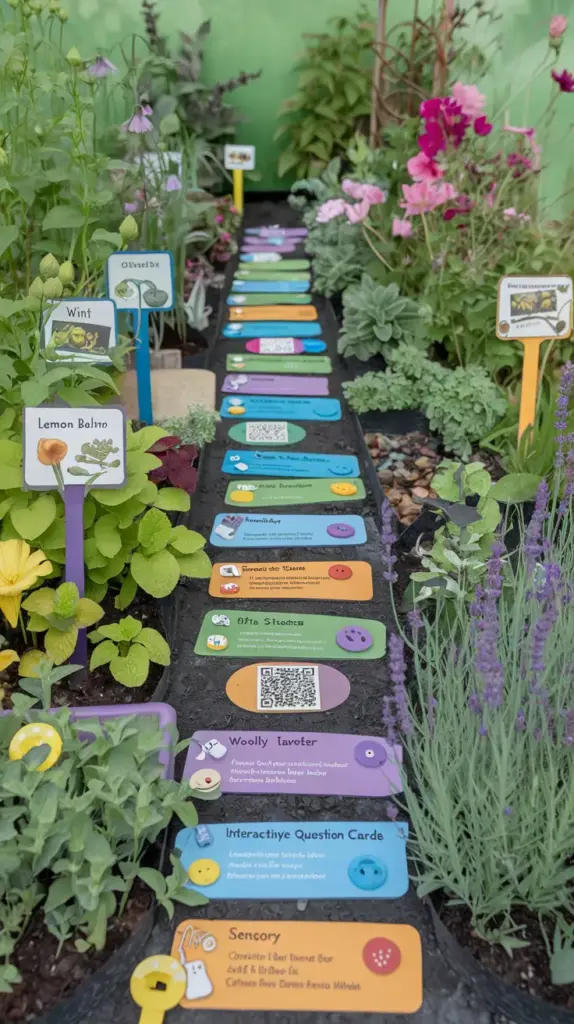
Here’s something I discovered through trial and error – traditional plant labels are boring for kids! Instead, I started using:
- Picture labels with fun facts
- QR codes that link to kid-friendly plant videos
- Color-coded zones based on plant types
- Interactive question cards next to each plant
- Sensory symbols showing which sense to use
Designing the Perfect Sensory Pathway
The pathway is where it all comes together! I’ve found that a winding path works best because it creates a sense of adventure. Here’s my tried-and-true design approach:
- Start with a textured pathway using different materials:
- Smooth river rocks
- Soft mulch sections
- Stepping stones with sensory elements
- Add aromatic borders along the path:
- Low-growing thyme between stepping stones
- Chamomile lawn sections that release scent when stepped on
- Clusters of fragrant plants at turning points
Integrating Play Areas Safely
The key is creating distinct zones while maintaining flow. In my most successful design:
- Open spaces are surrounded by fragrant, sturdy plants
- Quiet corners feature gentle-scented plants like jasmine
- Activity stations are spaced along the pathway
- Reading nooks are nestled between aromatic herbs
- Play equipment is positioned away from delicate plants
Remember, the best children’s sensory gardens are those that grow and evolve with their users. I’m always amazed at how quickly kids learn plant names when they’re having fun! Start small, observe what works, and don’t be afraid to make changes based on how the children interact with the space.
One final piece of advice: Always include a dedicated hand-washing station near the garden entrance. Trust me on this one – it’s a game-changer for managing the inevitable muddy hands and maintaining garden hygiene!
Through creating these magical spaces, I’ve watched countless children develop a deep love for gardening and nature. There’s nothing quite like seeing a child’s face light up when they discover a chocolate mint leaf smells exactly like their favorite candy!
Conclusion
Creating your own aromatic garden is more than just planting flowers – it’s about designing a personal sanctuary that engages all your senses! Remember to consider your local climate, available space, and maintenance time when choosing your design. Why not start small with your favorite fragrant plants and gradually expand your aromatic oasis? Your perfect stress-free garden retreat awaits!


