
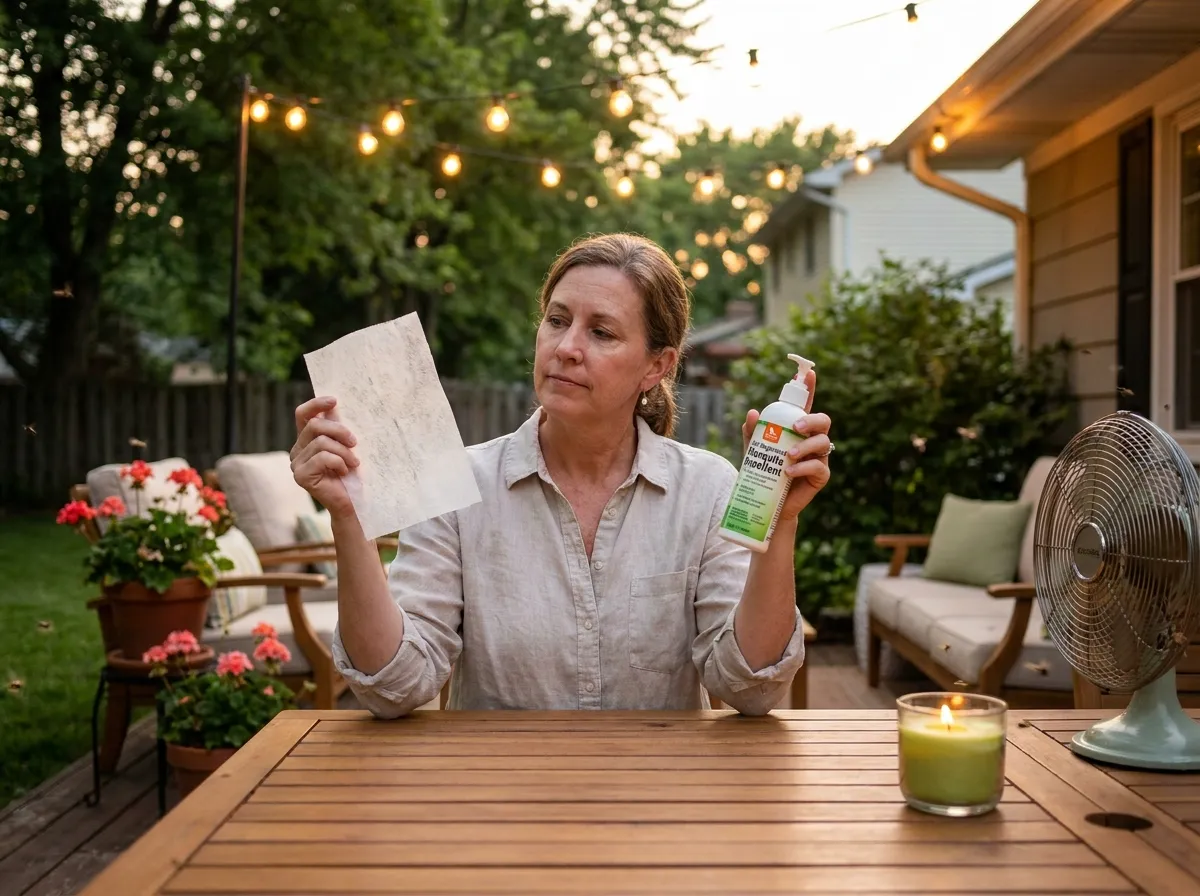
Where the Science on Dryer Sheets Comes From
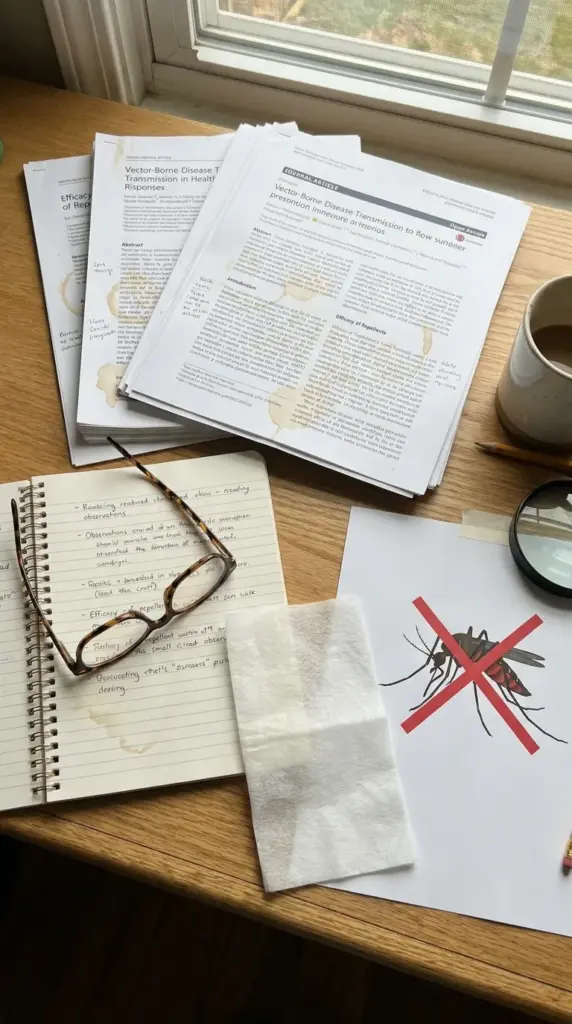
The study people keep misquoting
A lot of the myth leans on research that did not prove dryer sheets are a solid mosquito solution. One commonly cited study involved fungus gnats, not backyard mosquito bite prevention.
That’s a huge difference. Fungus gnats are annoying, sure, but they are not the same target as biting mosquitoes circling your ankles on a July evening.
Lab results are easy to overread
In lab work, researchers can isolate compounds or test insect responses under controlled conditions. That’s useful science, but it doesn’t automatically translate to real-life porch performance.
Outdoor mosquito control is messy. Airflow, sweat, movement, species differences, and distance all matter.
Interesting does not equal practical
A fragrance compound showing some insect effect in a petri-dish-style setup is not the same as proving a dryer sheet offers dependable outdoor mosquito protection.
That leap happens online all the time. People see the words “study” and “repel” and skip the boring but important details.
What strong evidence would look like
If dryer sheets truly worked well, we’d expect repeatable field studies, bite-count comparisons, and guidance from organizations that track vector-borne disease prevention. We don’t have that.
Instead, agencies like the CDC and EPA keep pointing people toward EPA-registered mosquito repellent options with tested active ingredients.
That’s the turning point in this myth. Hit the next button below, because now we can answer the question people actually care about: do dryer sheets repel mosquitoes in real life?


