
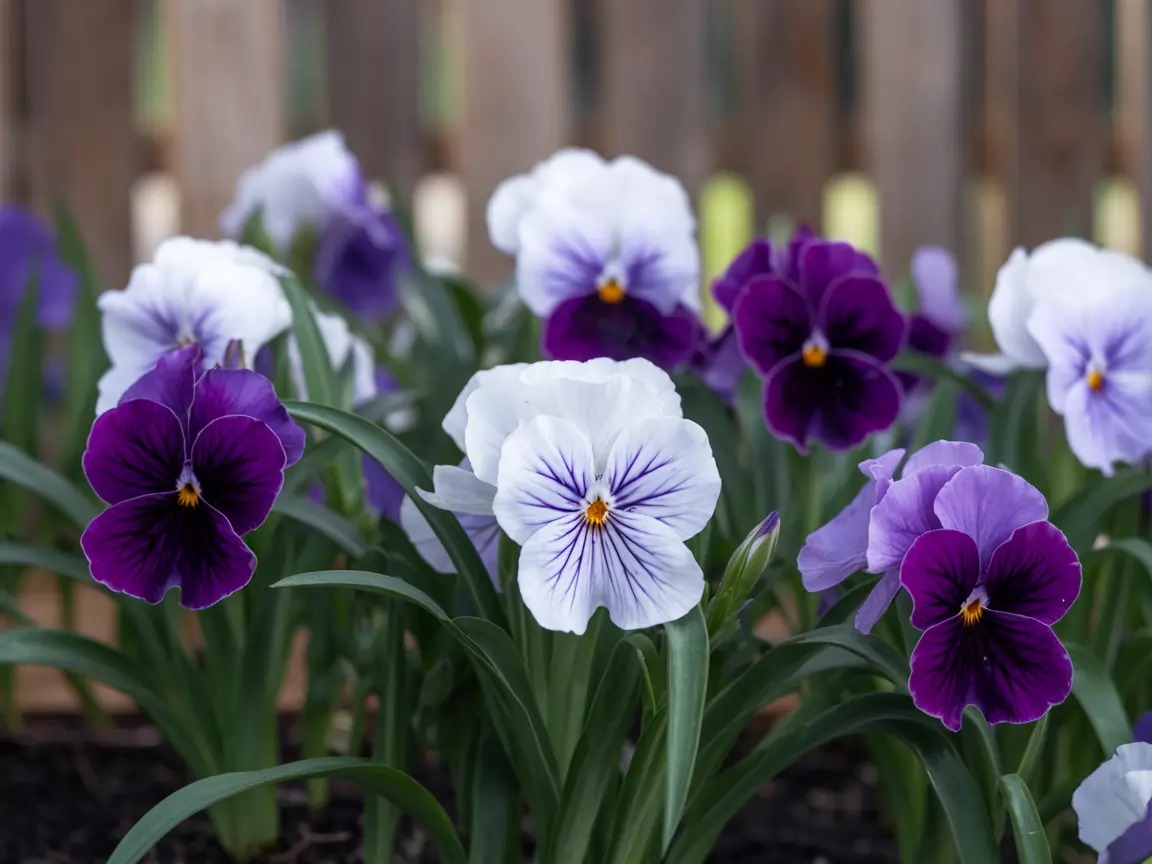
7. Iris (Bearded Iris)
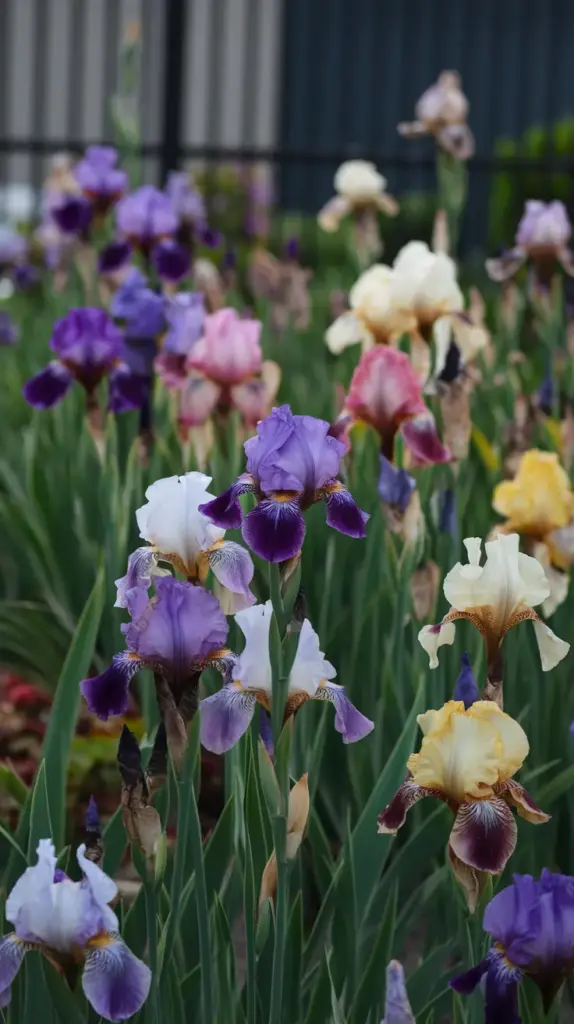
I’ll never forget the day I inherited my grandmother’s iris garden. What started as a handful of rhizomes has turned into a stunning collection that’s become the talk of the neighborhood! After 15 years of growing these magnificent flowers, I’ve learned every trick in the book to help them thrive.
Planting Success: Location and Timing
Let me tell you, bearded irises are surprisingly forgiving, but they do have their preferences! I learned the hard way that proper planting depth is absolutely crucial for success. Plant those rhizomes too deep, and you’ll end up with gorgeous leaves but no blooms – a mistake I made in my first season that had me scratching my head for months!
The best time to plant these beauties is between July and September. This gives them enough time to establish roots before winter hits. I’ve found that sunny spots with well-draining soil are their sweet spot. My most successful bed actually sits on a slight slope, which provides perfect drainage.
Maintenance Tips That Actually Work
Here’s something that blew my mind: bearded irises actually prefer to be a bit crowded! But don’t let that fool you – they still need some maintenance. Every 3-4 years, I divide my iris clumps, and let me tell you, it’s like getting free plants!
When it comes to watering, these plants are absolute champions. During my busiest teaching years, I often forgot to water them regularly, but they kept right on blooming. That’s what makes them truly drought-tolerant performers in the garden. Just avoid overhead watering to prevent potential rot issues.
Color Selection and Fragrance
One of the most exciting things about bearded irises is their incredible color range. While you won’t find true red varieties (trust me, I’ve looked!), you can find everything from pure white to nearly black, and even some that appear to change color in different lights. My absolute favorite is a variety called ‘Champagne Elegance’ – it has this gorgeous peachy-pink tone that seems to glow in the evening light.
The fragrance is another delightful surprise. Some varieties smell like grape soda, while others have a sweet vanilla scent. I actually use them as natural air fresheners by cutting a few stems and placing them in my entryway!
Common Problems and Solutions
Over the years, I’ve dealt with pretty much every iris issue you can imagine. The most common problem I’ve encountered is soft rot, but it’s easily preventable by ensuring good air circulation and proper planting depth. If you notice any mushy rhizomes, remove them immediately to prevent spread to healthy plants.
Iris borers can be pesky, but I’ve found that keeping the garden clean of debris in fall makes a huge difference. A simple cleanup routine has reduced my borer problems by about 90%!
Ready to discover another easy-care spring beauty? Next up, we’ll explore the enchanting world of Hellebores, also known as Lenten Roses. These shade-loving perennials start blooming when most other plants are still sleeping, and wait until you see how they handle winter! Click the next button below to learn all about these winter-to-spring champions.


