
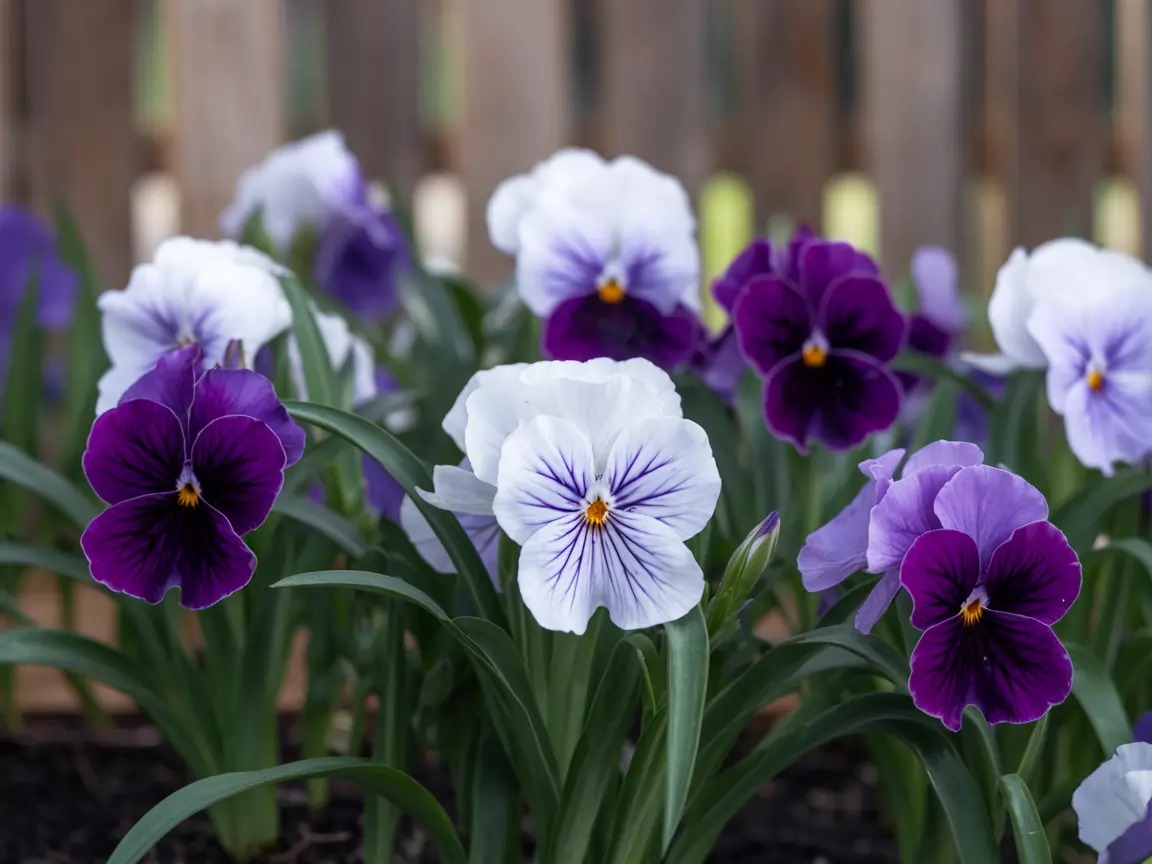
9. Primrose
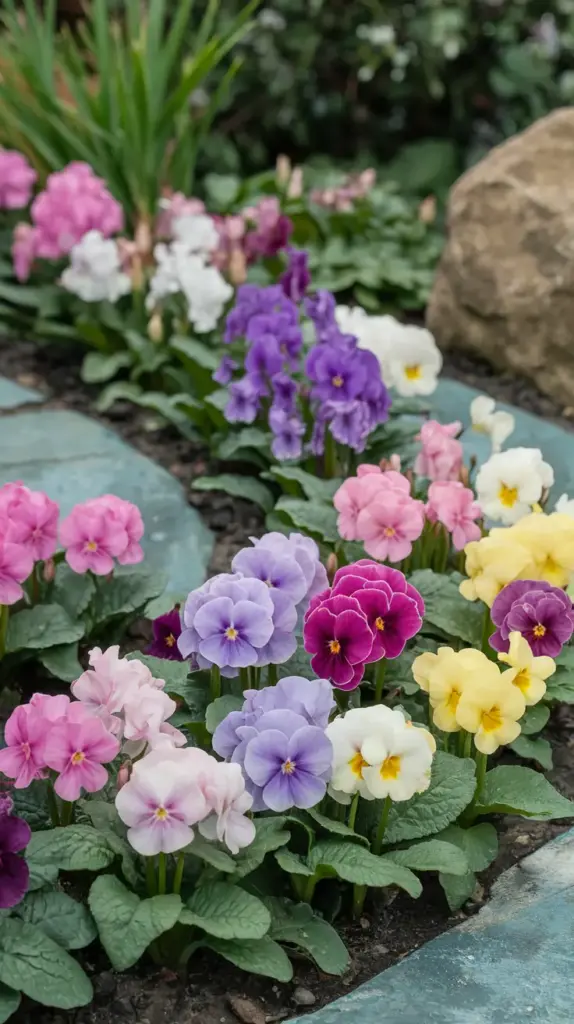
Let me tell you about my journey with primroses – they’ve become my go-to flower for adding early spring charm to those tricky shaded spots in my garden. After 15 years of gardening, I’ve learned that these little beauties are absolute garden game-changers for anyone wanting low-maintenance color.
Best Growing Conditions
I learned this the hard way: primroses aren’t sun-worshippers! My first attempt at growing them in full sun was a disaster. Now I know that partial shade is their sweet spot, especially under deciduous trees where they get dappled sunlight. The soil needs to be rich and well-draining – I mix in plenty of organic matter before planting.
Color Varieties and Planning
Here’s something cool about primroses – they come in practically every color of the rainbow! I’ve had success with everything from classic yellows to deep purples and even some striking bi-colored varieties. My personal favorite is the ‘Blue Zebra’ variety, which has these incredible striped petals that look almost hand-painted.
Maintenance Tips
Let me share a pro tip I discovered after years of trial and error: mulching is absolutely crucial for primroses. A good 2-inch layer of leaf mold or composted bark helps retain moisture and keeps those shallow roots happy. I’ve found that they’re pretty low-maintenance once established, but they do appreciate regular watering during dry spells.
Companion Planting Success
In my woodland garden, I’ve created what I call “primrose pockets” – small groupings combined with other shade-loving plants. They look absolutely magical when planted with:
- Bleeding Hearts
- Wood Anemones
- Ferns
- Wild Violets
Common Problems and Solutions
The biggest issue I’ve faced with primroses is crown rot, but I’ve got a foolproof solution: ensure good air circulation and avoid watering the foliage directly. Also, watch out for slugs in early spring – they love tender primrose leaves just as much as we love the flowers!
Design Ideas
My favorite way to use primroses is in naturalized drifts along woodland paths. Their compact growth habit (usually around 6-8 inches tall) makes them perfect for border edges and container gardens. I’ve even created a charming fairy garden using miniature primrose varieties as the starring attraction!
Want to know another spring garden superstar that pairs beautifully with primroses? Click the “next” button below to discover all about Forget-Me-Nots – those delightful blue bloomers that can create a stunning carpet of color in your garden. I’ll share a secret technique I use to get them to self-seed in just the right spots!


