
What Exactly Is a Mini Farm (And Do You Have Enough Space)?
Okay, real talk — the first time I tried to define “mini farm” to a friend, I fumbled it completely.
Because honestly? It’s simpler than it sounds.
A Mini Farm Is Not What You Think
A mini farm is any intentional, productive growing space designed to yield food regularly — no matter the size.
That’s it. No acreage required.
Unlike a traditional garden, which might focus on flowers or landscaping, a mini farm is purpose-driven. You’re growing food, herbs, or both — consistently and efficiently.
Spoiler: You Probably Already Have Enough Space
This is the part that surprises most people.
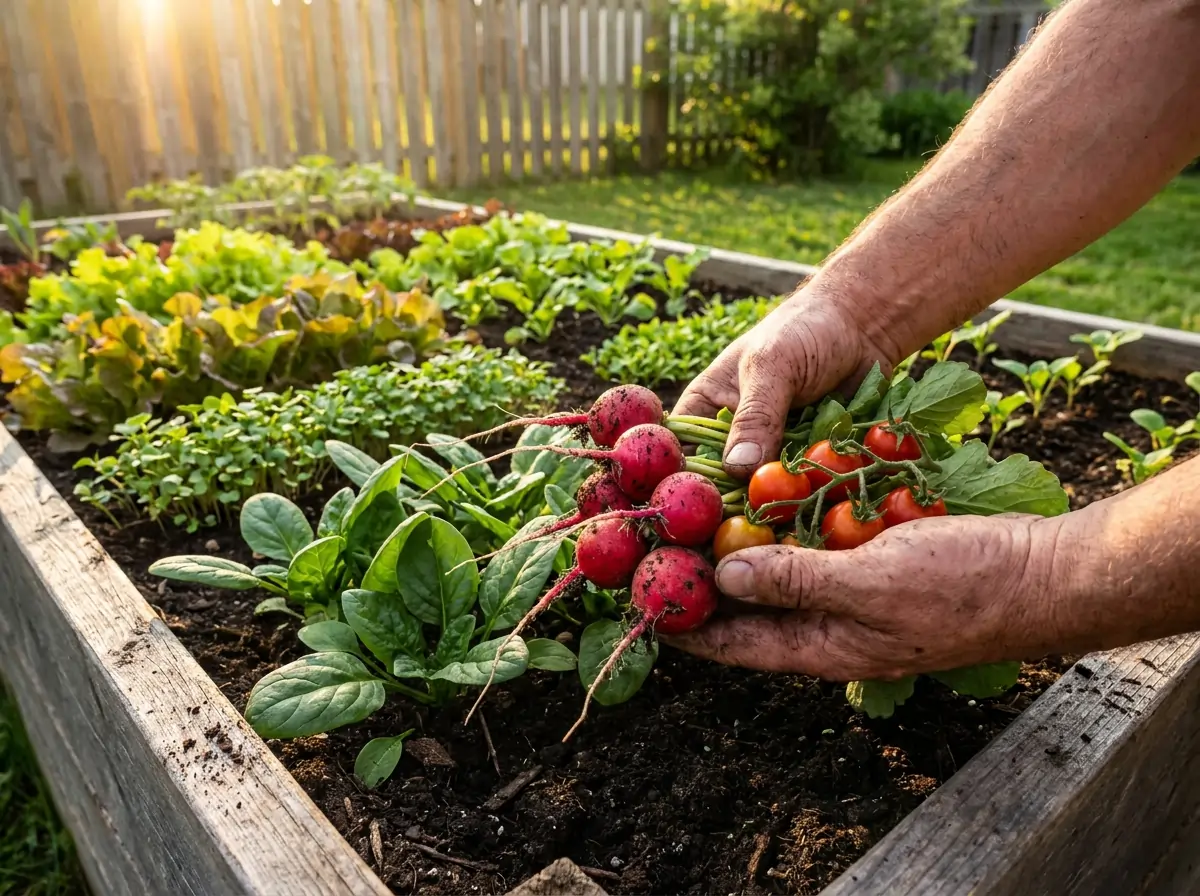
A 6×4 raised bed can produce enough lettuce, radishes, and herbs to supplement your weekly groceries. Seriously.
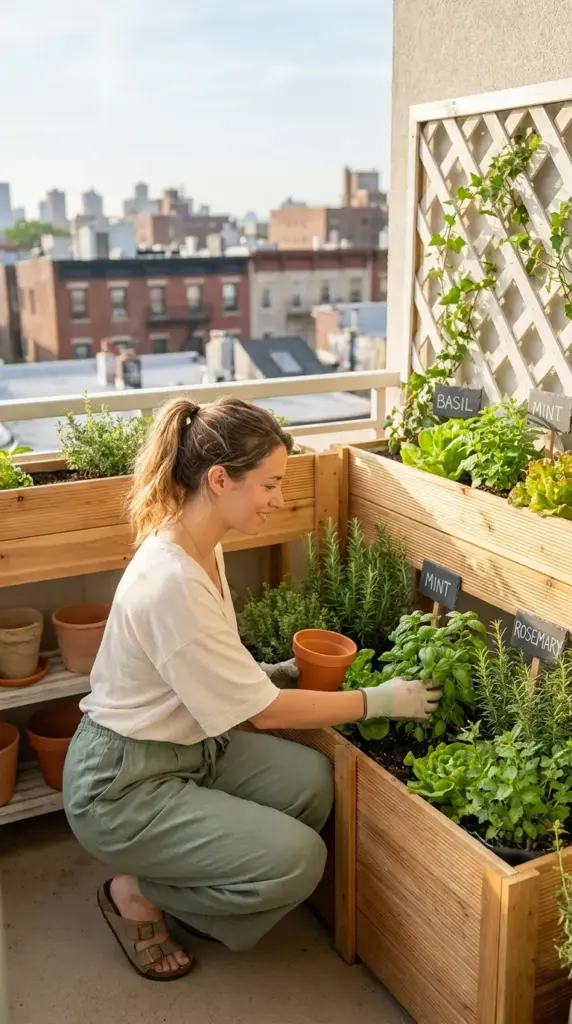
Balconies, patios, fire escapes, small backyards — all of it counts. Even a sunny windowsill qualifies as a starting point.
Assessing Your Space in Urban Environments
Living in Philadelphia or Washington, DC doesn’t disqualify you — not even close.
Walk your space and ask yourself three things: How many hours of direct sunlight does this spot get? Is there access to water nearby? Can I fit at least one container or raised bed here?
If you answered yes to even two of those, you’re already in business.
Container vs. In-Ground vs. Raised Beds
I’ve tried all three, and here’s my honest breakdown:
Container gardening is perfect for renters or anyone with a patio — flexible, movable, and beginner-friendly.
In-ground beds work beautifully if you have yard access, but soil quality can be unpredictable — especially in older urban neighborhoods.
Raised beds are my personal favorite. You control the soil, drainage is better, and they look incredibly clean and intentional.
The Non-Negotiables: Sun, Drainage & Soil
Most fast-growing vegetables need at least 6 hours of direct sunlight daily — that’s your baseline.
Drainage matters more than people realize. Waterlogged roots are a silent killer for beginner gardens.
And soil? Don’t cheap out. A quality vegetable potting mix with compost blended in is genuinely half the battle.
Next up, we’re getting into the really fun part — the actual vegetables that grow so fast, you’ll be harvesting before you know it. 🥬 Hit that next button and let’s go!


