
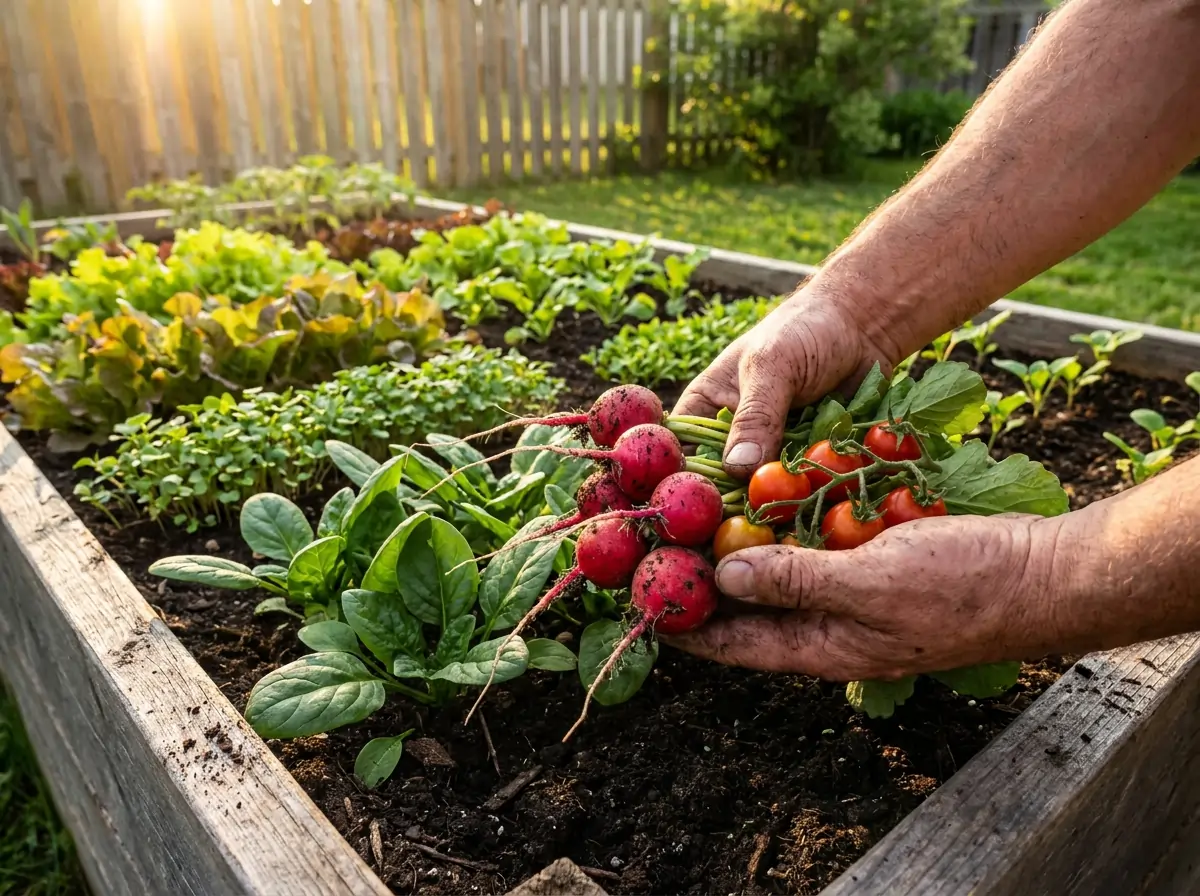
Planting Your Mini Farm Step by Step
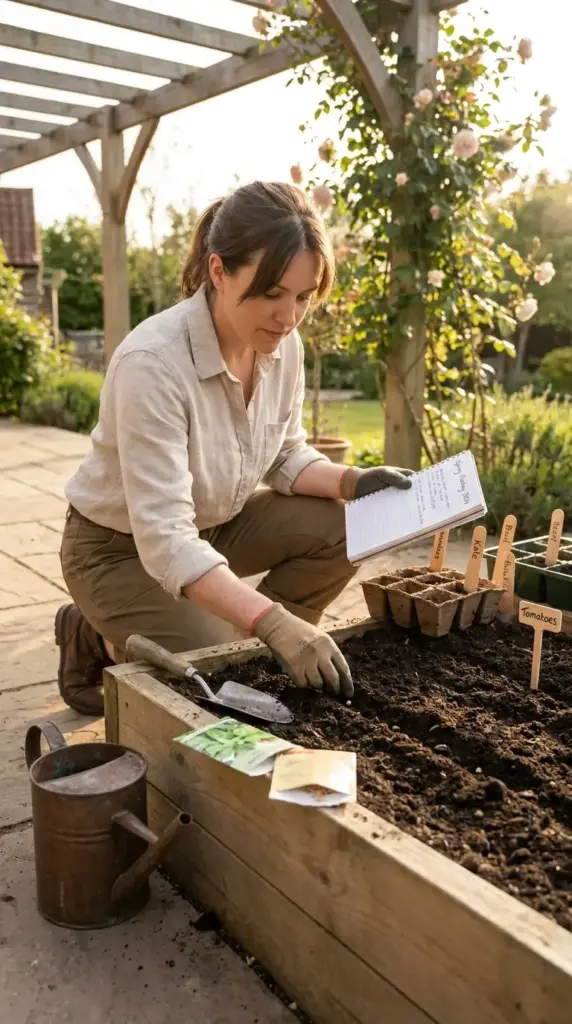
The first time I direct-sowed seeds, I put them all in the ground on the same day like some kind of gardening buffet.
I had everything ready to harvest at once and absolutely nothing for the next six weeks. Lesson learned — painfully.
When to Plant: Frost Dates & Growing Zones
This is the single most important thing a beginner needs to understand — and most skip it entirely.
Your last frost date is the earliest date it’s generally safe to plant outdoors in your area. Everything revolves around this number.
Here’s a quick reference for mini farm cities:
| City | Average Last Frost Date |
|---|---|
| New York, NY | April 1–10 |
| Chicago, IL | April 19–30 |
| Philadelphia, PA | March 30 |
| Washington, DC | March 25 |
| Atlanta, GA | March 13 |
| Dallas, TX | February 28 |
| Minneapolis, MN | April 30 |
| Seattle, WA | March 1 |
| Los Angeles, CA | January 31 |
| Detroit, MI | April 20 |
Find your USDA Hardiness Zone at planthardiness.ars.usda.gov — it takes two minutes and changes everything.
Direct Sowing vs. Starting From Seedlings
Here’s the honest answer — it depends on what you’re growing.
Direct sowing means planting seeds straight into your container or raised bed. It’s ideal for radishes, carrots, beans, and beets — vegetables that hate having their roots disturbed.
Seedlings give you a 2–4 week head start, which matters enormously for impatient gardeners. Buy transplants for tomatoes, peppers, and kale when you want faster results.
For fast-growing greens like lettuce and spinach? Direct sow every time. They germinate in 5–7 days and honestly don’t need the head start.
Spacing, Depth & Watering Basics
Getting this wrong is probably the most common beginner mistake — I’ve made it more than once.
| Vegetable | Planting Depth | Spacing | Water Needs |
|---|---|---|---|
| Radishes | ½ inch | 2 inches apart | Moderate |
| Lettuce | ⅛ inch | 6 inches apart | Consistent moisture |
| Spinach | ½ inch | 3 inches apart | Consistent moisture |
| Green Onions | ¼ inch | 2 inches apart | Moderate |
| Bush Beans | 1 inch | 4 inches apart | Deep, infrequent |
| Baby Carrots | ¼ inch | 2 inches apart | Consistent moisture |
| Kale | ¼ inch | 8 inches apart | Moderate |
| Basil | ¼ inch | 10 inches apart | Moderate |
Water seedlings gently and consistently — 1 inch of water per week is the general rule for most fast-growing vegetables.
Succession Planting: The Real Secret
This is the strategy that completely transformed my mini farm — and it’s so simple.
Succession planting means sowing small batches of the same crop every 2 weeks instead of all at once. You get a continuous, manageable harvest instead of a overwhelming glut.
Start with lettuce. Sow a short row, wait two weeks, sow another. Repeat all season. You’ll have fresh greens on your table consistently from spring through fall.
Companion Planting for Small Spaces
This is where gardening gets genuinely fascinating to me — plants have friendships and enemies, just like people.
Great companion pairings for mini farms:
- Basil + tomatoes — basil repels aphids and whiteflies while improving tomato flavor
- Marigolds + almost everything — they deter nematodes and aphids naturally
- Carrots + chives — chives repel carrot flies effectively
- Beans + radishes — radishes deter bean beetles without competing for nutrients
Avoid planting fennel near anything — it’s basically the difficult neighbor of the plant world and inhibits growth in most vegetables.
A Simple Planting Schedule for Busy Women
I know your calendar is already full. So here’s a realistic mini farm planting rhythm:
Early Spring (6–8 weeks before last frost): Start kale, lettuce, and spinach seeds indoors or in a cold frame.
At Last Frost Date: Direct sow radishes, arugula, green onions, and carrots outdoors.
2 Weeks After Last Frost: Plant basil seedlings, bush beans, and bok choy directly outdoors.
Every 2 Weeks After That: Succession sow lettuce, spinach, and radishes for continuous harvest.
Bookmark this schedule. Screenshot it. Stick it on your fridge. It’s genuinely all you need to stay on track.
Next up — keeping your mini farm thriving without spending every weekend outside. The low-maintenance care routine coming up next is a total game-changer. Hit next! 🌿📅


