
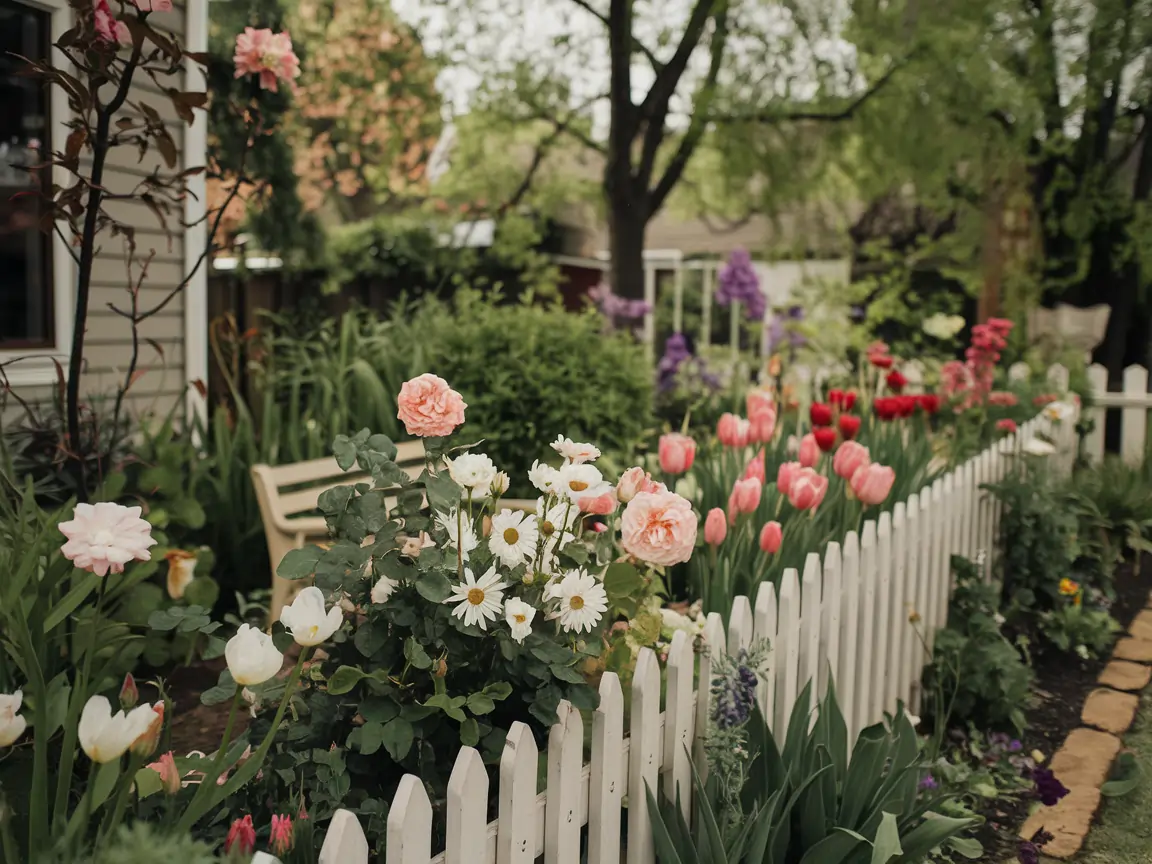
4. Creating Your Own Pollinator Paradise
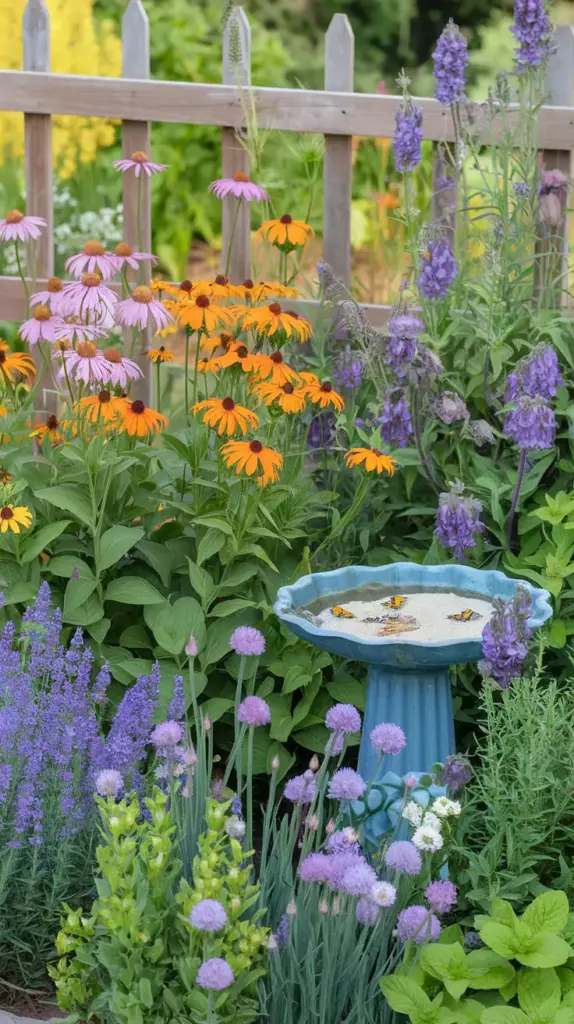
Let me tell you about my journey creating a pollinator garden that became the talk of the neighborhood! I never expected that my simple attempt to attract a few butterflies would turn into such an amazing ecosystem, but here we are. After five years of trial and error, I’ve learned exactly what works and what doesn’t.
Choosing the Right Plants
The first thing I discovered is that native plants are absolute superstars when it comes to attracting pollinators. These plants have co-evolved with local insects, making them the perfect match for your garden. I started with purple coneflower (Echinacea) and was amazed to see not just butterflies, but native bees practically fighting over the blooms!
My go-to combination now includes:
- Butterfly weed (Asclepias tuberosa)
- Black-eyed Susans (Rudbeckia)
- Bee balm (Monarda)
- Native salvia varieties
- Lantana for continuous blooming
Creating Butterfly Puddling Stations
Here’s something most folks don’t know – butterflies need more than just nectar! I learned this the hard way when I couldn’t figure out why neighboring gardens had more butterflies than mine. Turns out, these beautiful creatures need places to rest and get minerals. A butterfly puddling station is essentially a shallow water source with some sand and a few rocks.
To create one, I:
- Use a shallow dish or birdbath
- Fill it with coarse sand
- Add a few flat rocks for perching
- Keep it consistently moist
- Add a pinch of sea salt monthly for minerals
Incorporating Dual-Purpose Herbs
Talk about a game-changer! When I started adding flowering herbs to my pollinator garden, it was like hitting two birds with one stone. Not only do I get fresh herbs for cooking, but the pollinators absolutely love them. Lavender has been my most successful herb – the bees literally buzz with joy when it blooms!
My top performing herbs include:
- Oregano (let some flower!)
- Thyme varieties
- Borage (cucumber-flavored flowers)
- Chives (amazing purple blooms)
- Mint (in containers, trust me on this one!)
Maintaining Your Paradise
The secret sauce to a thriving pollinator garden is creating a continuous bloom cycle. I learned to stagger plantings so something is always flowering from early spring through late fall. Deadheading spent blooms keeps the show going, though I always leave some late-season seedheads for birds.
Ready to take your garden to the next level? Our next section explores creating a stunning “Rainbow Color Block Garden” that’ll make your fence line pop with coordinated colors throughout the seasons. Click next to discover how to design a garden that looks like it was planned by a professional landscape architect – I’ll share my favorite color combinations that work like magic together!


