
4. Bamboo Palm (Chamaedorea seifrizii): Your Indoor Tropical Paradise
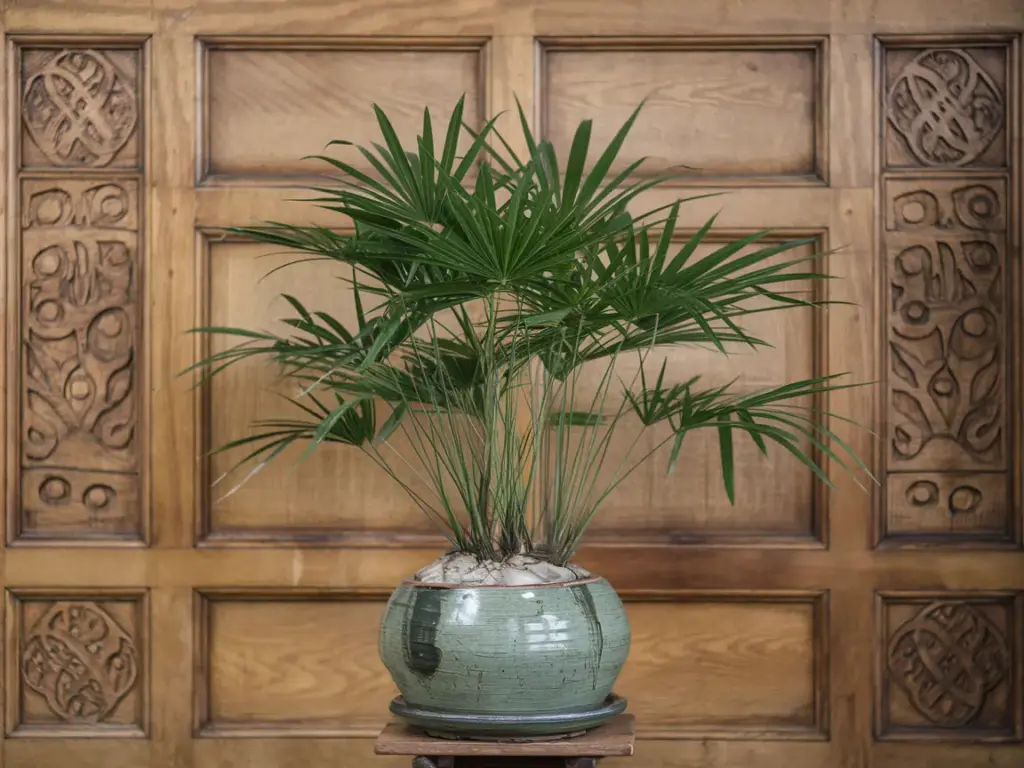
After years of growing houseplants, I can confidently say that my Bamboo Palm transformed my living room into the tropical oasis I always dreamed of. Don’t let the name fool you – it’s not actually bamboo at all, but this pet-safe palm brings all the exotic vibes without any worry about your furry friends.
Creating Your Own Slice of Paradise
When I first brought home my Bamboo Palm, I was amazed by its graceful, arching fronds and elegant presence. It’s perfect for those empty corners that need some life! Mine started as a modest 2-foot plant, and watching it develop into a lush, full specimen has been incredibly rewarding.
The tropical appeal comes from its clustered stems and feathery leaves. I’ve found that grouping it with other pet-safe tropical plants creates an amazing jungle-like atmosphere that my guests always comment on.
Natural Air-Cleaning Powerhouse
Here’s something fascinating I learned: Bamboo Palms are one of NASA’s top-rated plants for removing indoor air pollutants. In my experience, I’ve noticed a significant difference in air quality since adding several of these to my home office. They’re particularly effective at removing benzene and trichloroethylene – common indoor air pollutants.
These natural air purifiers work harder when they’re healthy, which brings me to their care requirements…
Growth Patterns and Size Management
Let me share a surprise I had – these palms can actually grow quite large indoors! Mine took about three years to reach its current height of 5 feet, but they can eventually grow up to 7-8 feet tall in optimal conditions. The key is providing enough space from the start.
I’ve learned to manage their growth by:
- Keeping them slightly pot-bound
- Pruning yellow fronds regularly
- Maintaining consistent care routines
Soil and Drainage Secrets
After killing my first Bamboo Palm with poorly draining soil (oops!), I developed the perfect mix:
- 2 parts quality potting soil
- 1 part perlite
- 1 part orchid bark
The secret to success is excellent drainage – these plants hate wet feet! I always use pots with drainage holes and add a layer of pebbles at the bottom. Testing the soil moisture with my finger has become second nature; I wait until the top 2 inches are dry before watering.
Winning the Battle Against Pests
Let’s talk about my least favorite topic – pests. Spider mites used to be my nemesis until I developed a solid prevention routine:
- Weekly leaf cleaning with a damp cloth
- Regular humidity maintenance using a pebble tray
- Monthly inspection of stem joints and leaf undersides
- Maintaining good air circulation
I also spray the fronds with neem oil every few months as a preventive measure. This organic solution has kept my palm pest-free for over two years now!
Optimal Growing Environment
Through trial and error, I’ve found that Bamboo Palms thrive best in:
- Bright indirect light (they’ll sunburn in direct sun)
- Temperatures between 65-80°F
- Humidity levels above 50%
- Areas with good air circulation but away from drafts
Ready to discover a plant that’s not just pet-safe but puts on a daily show? Up next, we’ll explore the fascinating Calathea Rattlesnake – a plant that actually moves its leaves throughout the day! Click the next button to learn about this dramatic beauty and how to keep it thriving in your home.


