
7. Money Tree (Pilea peperomioides): The Chinese Good Luck Plant
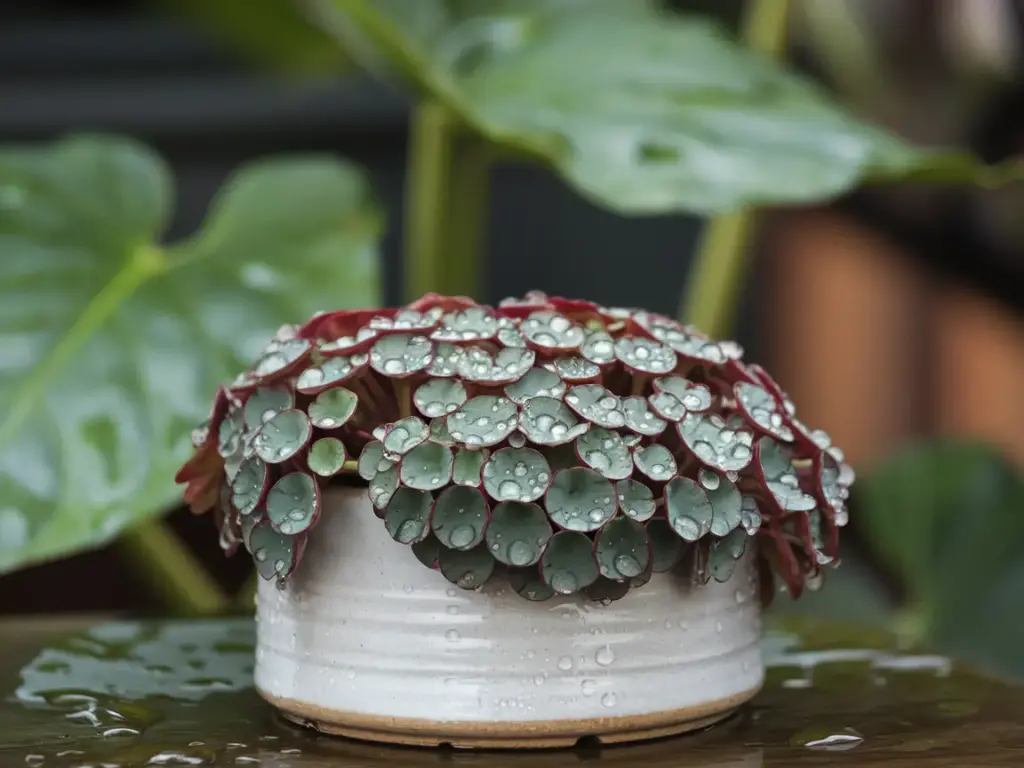
I still remember the day my friend gifted me my first Pilea peperomioides, saying it would bring prosperity to my home. While I can’t guarantee it’s made me rich, this charming plant (also known as the Chinese Money Plant or UFO plant) has definitely enriched my life with its unique pancake-shaped leaves and easy-going nature.
Feng Shui and Symbolic Meaning
In my journey learning about feng shui, I discovered that Pileas are considered powerful symbols of abundance. I keep mine in the southeast corner of my home – the wealth corner in feng shui practice. The round leaves are said to represent coins, and here’s something fascinating: they often grow in pairs, which is considered especially lucky!
Understanding Growth Patterns
Let me tell you about something that initially worried me but turned out to be totally normal: Pileas are naturally asymmetrical! They tend to grow toward light sources, which means:
- Leaves will face the light
- Stems might appear leggy
- Growth can seem uneven
- New leaves emerge from the center
I rotate mine a quarter turn every week to maintain even growth, and it’s made such a difference in the plant’s overall appearance.
Mastering the Art of Propagation
Here’s my favorite thing about Pileas – they literally give you baby plants! The pups (or offsets) appear from the mother plant’s roots, and I’ve found two reliable propagation methods:
- Soil Division Method:
- Wait for pups to reach 2-3 inches
- Gently remove soil around the baby
- Cut with clean scissors below soil level
- Pot immediately in fresh soil
- Water Propagation:
- Select healthy pups
- Place in water just below leaves
- Change water weekly
- Plant when roots are 1-inch long
Container Selection Secrets
Through trial and error, I’ve learned that Pileas prefer to be slightly root-bound. Here’s my container sizing guide:
- Small pups: 4-inch pots
- Medium plants: 6-inch pots
- Mature plants: 8-inch maximum
- Always use pots with drainage holes
Troubleshooting Common Issues
Over the years, I’ve encountered (and solved) several growth problems:
- Curling Leaves:
- Usually indicates too much light
- Move plant further from window
- Monitor for improvement
- Yellow Leaves:
- Often means overwatering
- Let soil dry between waterings
- Check drainage regularly
- Leggy Growth:
- Insufficient light
- Move closer to light source
- Rotate plant regularly
Seasonal Care Guide
I’ve developed what I call the “Pilea Calendar“:
- Spring: Increase watering and start fertilizing
- Summer: Protect from direct sun
- Fall: Reduce watering gradually
- Winter: Minimal water, no fertilizer
The key is adjusting care based on both the season and your plant’s response. Watch your plant – it’ll tell you what it needs!
Ready to explore a whole family of pet-safe plants with endless varieties? Up next, we’ll dive into the world of Peperomias – a diverse group of plants that come in fascinating shapes and patterns! Click the next button to discover which variety might be perfect for your space.


