
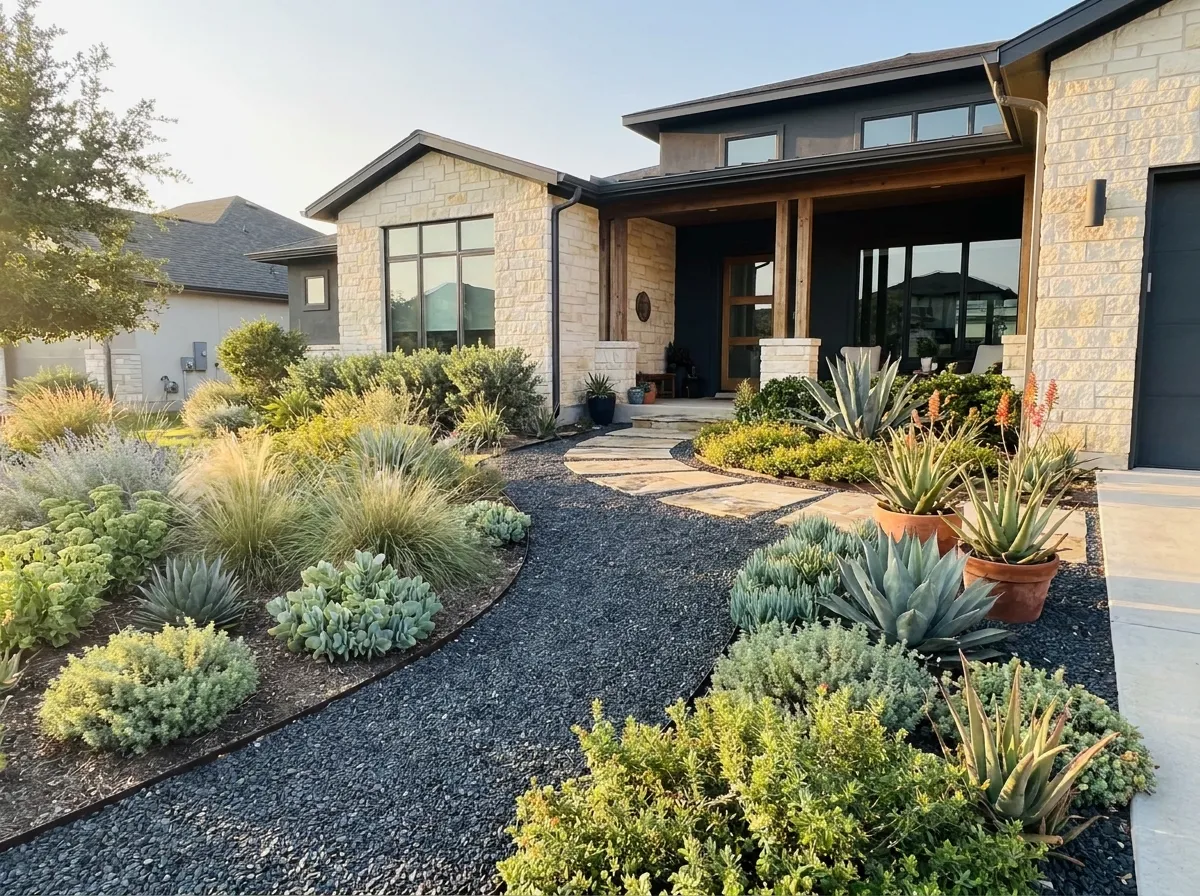
Honestly, I used to think xeriscaping was just a fancy word for a front yard full of sad, baking gravel and maybe one lonely, depressed cactus. I actually tried to DIY it years ago and ended up with a landscape that looked like a barren wasteland, yet my water bill still skyrocketed because I kept secretly panic-watering everything.
It turns out, traditional residential watering setups waste up to 50% of our water simply because of terrible layout choices. That is a staggering, heartbreaking statistic from recent 2026 data, and it drove me absolutely nuts until I finally learned how the true desert pros handle it.
Welcome to the hydro-zoning breakthrough, a brilliant design philosophy that completely flips the script on low-water gardening. Instead of sacrificing that vibrant, high-end curb appeal, this method groups your plants by strict metabolic moisture needs to create a visually dense, gorgeous oasis while keeping your water usage completely flat.
I am so excited to teach you this clever ecosystem approach so you can get that lush, jaw-dropping look without any sudden water spikes messing up your household budget.
What Exactly is the New Hydro-Zoning Breakthrough?
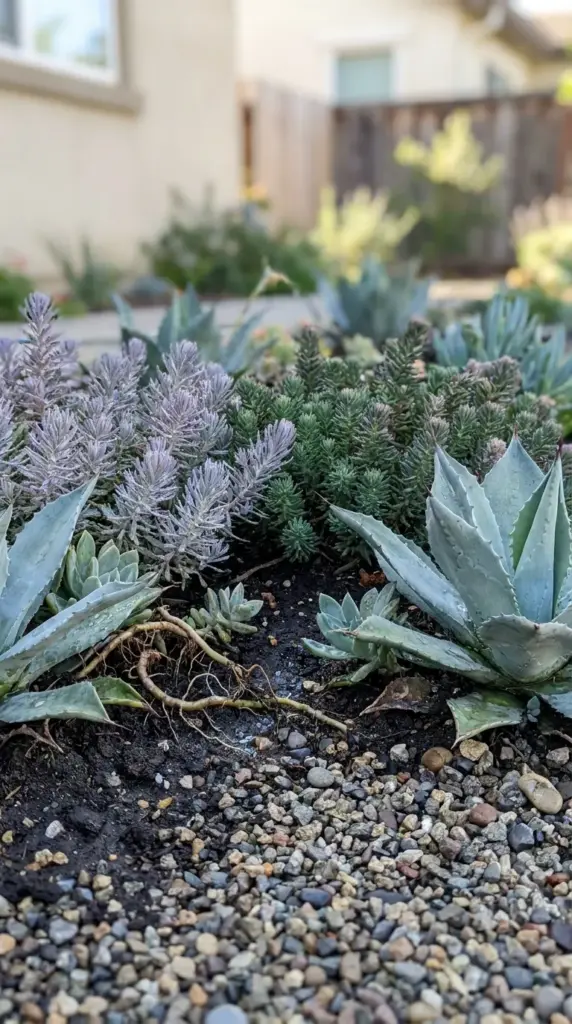
I remember when I first planted a gorgeous trailing rosemary right next to a thirsty hybrid rosebush because I thought they looked pretty together. It was a total disaster, honestly. The rose withered from absolute thirst while the rosemary practically rotted because I kept panic-watering the whole bed.
Breaking Down the Mechanics
That messy mistake is exactly why old-school xeriscaping got a bad reputation for looking dead and neglected. Traditional xeriscaping usually just meant throwing down some random gravel and hoping for the best.
The new hydro-zoning method is completely different because it groups plants by their precise metabolic moisture needs. Desert experts use this technique to match up root depths and transpiration rates so every single plant gets the exact right amount of water.
When you align these specific biological factors, you completely eliminate the need for dangerous water spikes. It means you are never overwatering one plant just to keep its neighbor alive.
The Front Yard Ecosystem
Instead of seeing your yard as a collection of individual plants, you have to start viewing it as a living, breathing ecosystem. Desert pros design these spaces by mapping out distinct microclimates across your front property.
By understanding how water naturally moves through your specific soil, you can layer plants to shade each other. This clever architectural layering keeps the ground cool and stops water from evaporating into thin air.
It creates a self-sustaining layout where your plants actually cooperate instead of competing for every single drop.
Understanding this core science is the secret to getting that ultra-dense look, so go ahead and hit the next button below because I am about to show you exactly how to map out these brilliant design zones in your own yard.


