
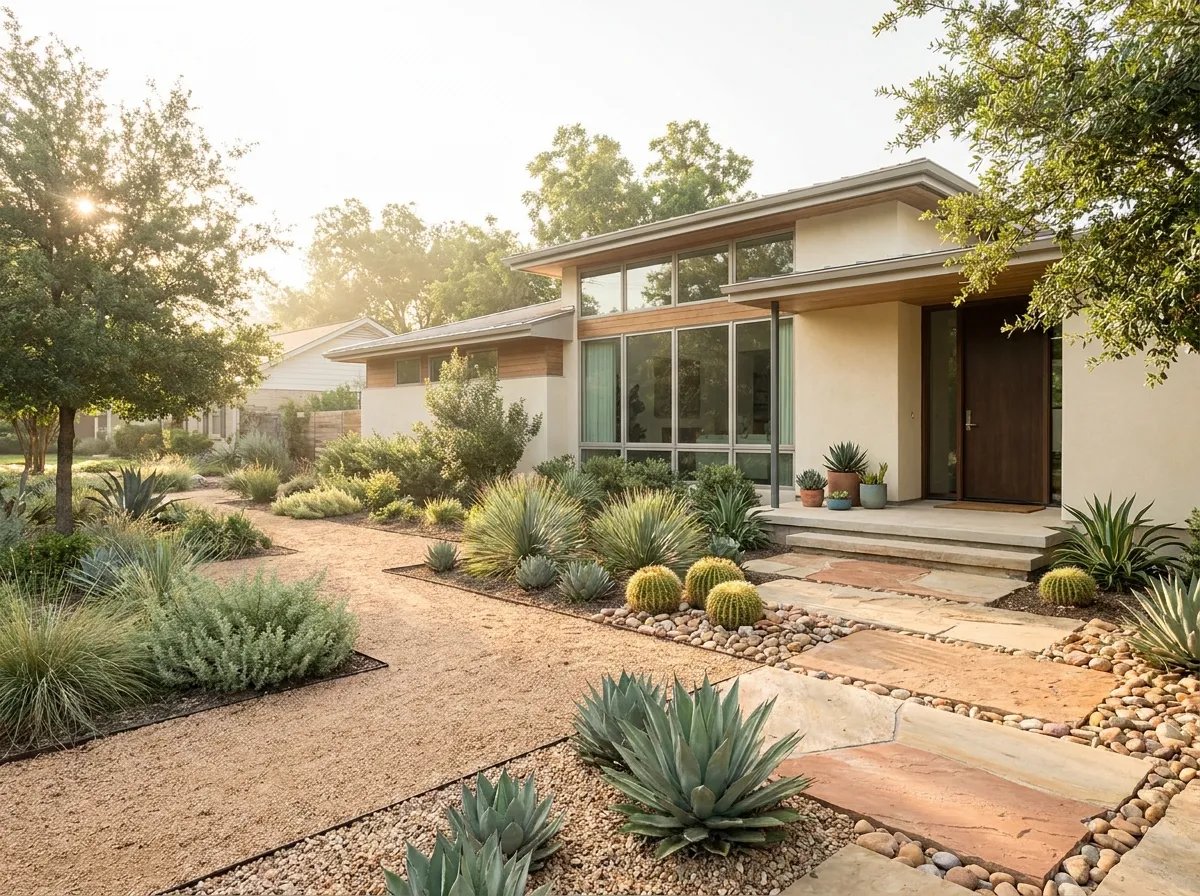
Group Your Plants by Water Need (Hydrozoning)
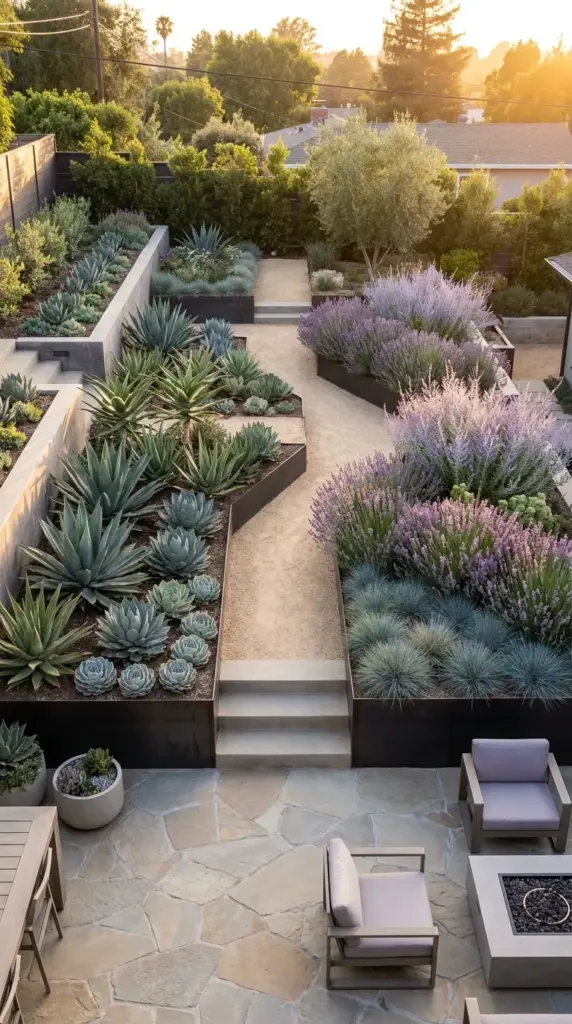
I once planted a gorgeous, bone-dry blue agave right next to a super thirsty ornamental sedge grass. Within a month, the grass was thriving, but my poor agave turned into a mushy, rotting mess because I kept drowning it just to keep its neighbor alive.
That painful mistake was my introduction to hydrozoning, and it completely changed how I look at garden layouts.
Grouping by Hydration Communities
Hydrozoning is just a fancy word for grouping your low-water garden design plants into specific neighborhoods based on how thirsty they are. Instead of scattering random plants everywhere, you organize them into high, medium, and zero-water zones.
When you group your succulents together and your thirstier perennials somewhere else, every plant gets exactly what it needs. This simple layout shift stops you from overwatering the dry guys, which saves an absolute fortune on your utility bill savings.
Re-Routing Your Drip Lines Cleanly
Once your plants are grouped, you can easily adjust your drip irrigation installation to match. You simply run separate irrigation lines—or zones—to each specific plant community.
For instance, your desert-loving cacti might only need a quick drip once a month, while a flowering lavender landscaping zone gets watered weekly. Separating these lines ensures you aren’t wasting a single drop of water on plants that don’t want it anyway.
Getting your plant zones organized makes your yard incredibly efficient, but those skinny strips of green grass along your driveway are still secretly draining your wallet. Hit that next button because we need to chat about swapping out wasteful turf edges for gorgeous, modern gravel pathways that don’t need a single drop of water.


