
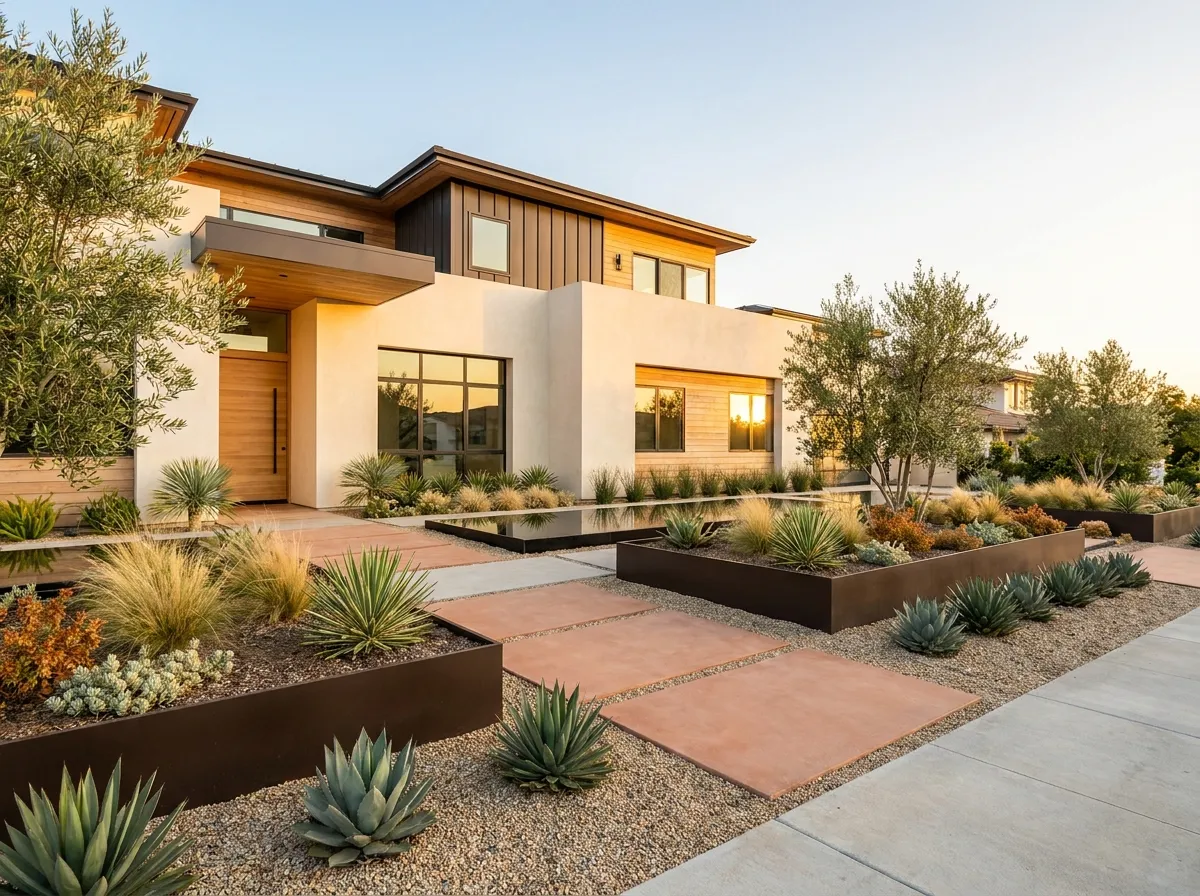
I still cringe thinking about my first backyard remodel when I tried to force a thirsty, high-maintenance traditional garden into a climate that frankly hated it. My water bill that summer looked like a phone number, and honestly, it was an absolute heartbreak watching everything crisp up.
But then I started chatting with some of the top-tier designers in the business, and it completely blew my mind how they design these gorgeous, ultra-luxurious yards that barely use a drop of water.
According to data from the EPA, outdoor water usage actually accounts for nearly 30% of an average household’s water consumption, which is totally wild. Yet, high-end luxury landscape architects routinely slash that number by a massive 70% while actually increasing property values at the same time.
The big secret they intentionally keep quiet? A gorgeous, eco-friendly yard doesn’t mean you’re stuck with a barren, depressing rock bed and a few sad cacti.
We are completely flipping the script today on traditional drought tolerant landscaping.
I’m peeling back the curtain on the exact high-end aesthetic strategies the pros use to blend lush, multi-textured design with extreme drought resilience. Get ready, because these clever, low-water hacks are going to give your home some serious, magazine-worthy curb appeal without draining your wallet.
Hack 1: The “Invisible” Subsurface Drip Irrigation Mapping
I still laugh thinking about my first DIY drip system because it looked like a massive nest of ugly black snakes tangled across my mulch. It completely ruined the high-end aesthetic I was going for, and my dog kept chewing through the lines.
That’s when a designer friend took pity on me and introduced me to subsurface drip irrigation mapping.
Burying the Infrastructure Beneath the Root Zone
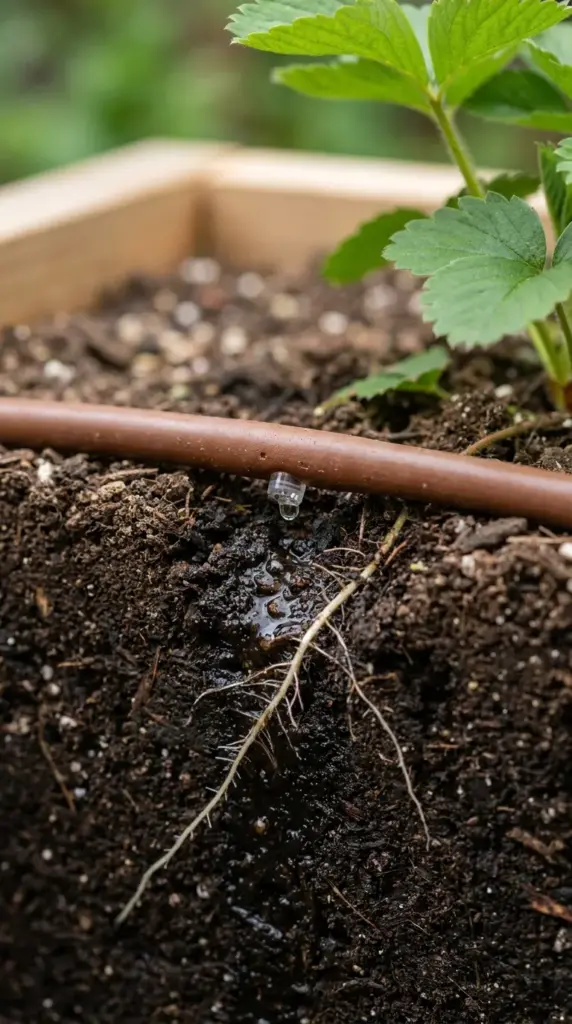
Luxury designers don’t let plastic tubing ruin their pristine layouts; they hide it four to six inches beneath the soil surface directly inside the root zone.
By gridding out flexible, pressure-compensating inline emitter tubing before planting, you create a completely invisible water delivery system.
This keeps the surface completely dry, which drastically reduces weed growth since those annoying weed seeds near the top never get a drop of moisture.
The Math of Zero Evaporation
Traditional overhead sprinklers are incredibly wasteful, losing up to 50% of their water to wind drift and evaporation before it even hits the dirt.
Subsurface systems deliver water at a low pressure of about 15 to 25 PSI, putting every single drop right where the plants need it most.
This targeted root delivery means your plants stay fully hydrated while using up to 60% less water than standard surface setups.
Plus, you won’t have to deal with unsightly hard water stains bleaching your gorgeous masonry or hardscaping.
It honestly feels like magic because your yard stays perfectly vibrant, yet you never actually see any watering happening.
Speaking of magic tricks, keeping the water in the ground is only half the battle, so definitely click that next button below because I’m about to show you how designers use clever land shapes to catch free rainwater without anyone noticing.


